
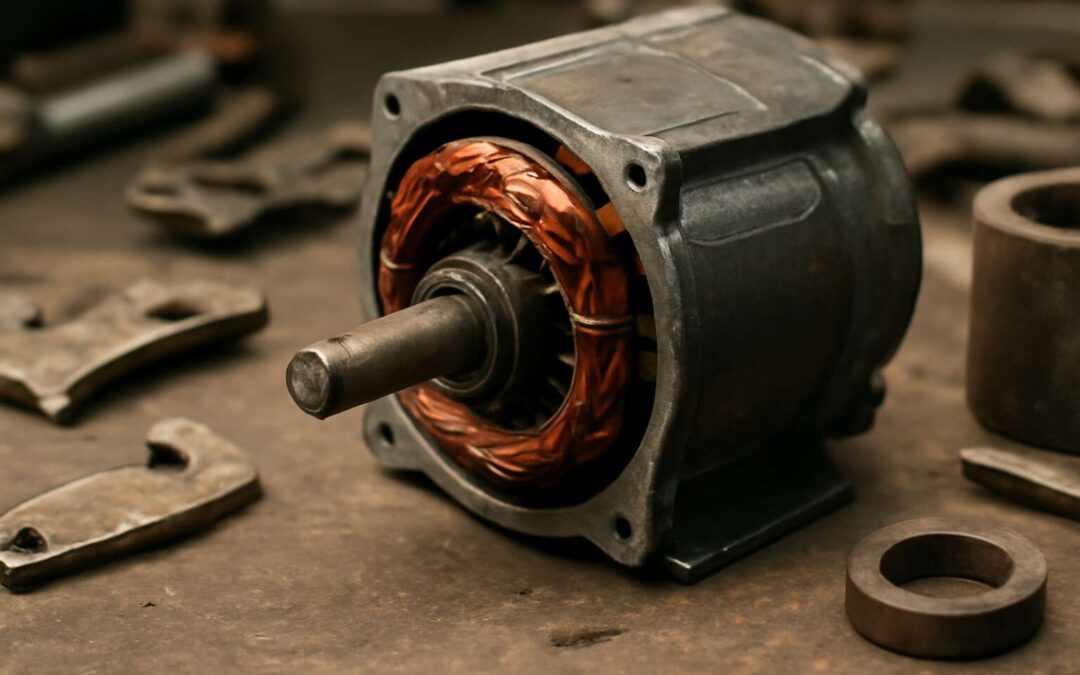
Understanding the value of electric motors in scrap markets
Key factors that influence electric motors scrap value
In South Africa’s scrap yards, the fate of a lump of metal hinges on a simple verdict: electric motors scrap value is a dance of price and parts. Copper prices and motor design drive the swings; a single large motor can shift the day’s takings by as much as 25% in a week!
In SA yards, dashboards flicker as copper prices rise and fall. Several factors determine the final tally:
- Copper content in windings and circuitry
- Motor type and size (three-phase vs single-phase)
- Condition: wear, bearings, magnets, and insulation
- Availability of recyclable components like aluminum housings
Understanding these levers helps traders anticipate shifts in electric motors scrap value as markets pulse with energy and demand.
How current scrap price trends affect motor resale
In South Africa’s scrap yards, the value of a motor isn’t guesswork—it’s a living signal you can read on the scale. A single large motor can tilt the day’s takings by 25% in a week, when copper moves and buyers lean in. I’ve watched the floor hum with possibility and risk.
Understanding how current scrap price trends affect motor resale means tracking the market’s weather: copper momentum, energy demand, and refurbishers chasing salvageable parts. The electric motors scrap value becomes a compass, guiding when to strip, how to price, and who to work with as buyers recalibrate.
Here are signals shaping the market today:
- Short-term price signals and bid windows
- Availability of salvageable components and ease of dismantling
- End-user demand from mining, manufacturing, and service sectors
That is the living rhythm of the market.
Typical scrap value ranges by motor type
In South Africa’s scrap yards, a single large motor can tilt the day’s takings by as much as 25% in a week when copper moves—a living gauge, not a guess. The electric motors scrap value is a weather vane you read on the scale.
Understanding the value means tracking copper momentum, motor type and salvageability with a keen eye for nuance.
Typical ranges by motor type:
- 0.5–2 kW motors: roughly R250–R900
- 3–5 kW motors: roughly R900–R2,500
- 7.5–15 kW motors: roughly R2,500–R6,000
- 20–100 kW motors: roughly R6,000–R25,000
Stay tuned to the market’s rhythm; the numbers dance with demand as copper shifts in the South African landscape.
Calculating electric motors scrap value: a step-by-step guide
In South Africa, a single motor’s copper heartbeat can shift the scrap yard’s mood in hours. That immediacy is the rhythm behind electric motors scrap value—read the copper pulse and the numbers fall into place.
Understanding the value means tracking copper momentum, motor type, and salvageability with a keen eye for nuance. The market doesn’t lie, it sighs with every price tick and tells a story of supply, demand, and the stubborn stubbornness of copper.
- Copper content and insulation condition
- Motor size, type, and remaining salvageability
- Market demand and current scrap price drift
The read of the market keeps evolving, a living gauge on a South African landscape where electric motors scrap value is a weather vane rather than a fixed figure.
Components of scrap value for electric motors
Material composition and metal content
Copper prices have surged, lifting the electric motors scrap value in South Africa’s yards. “The copper speaks louder than the shell,” a scrapyard veteran says, and the windings’ heartbeat often outvalues the steel. In markets where freight and energy costs bite, this value hinges on the copper, aluminum and other metals that survive the cut.
- Copper windings and conductors
- Aluminum housings and components
- Steel frames and cast iron parts
- Magnets (neodymium-iron-boron) and related alloys
- Bearings, plastics and non-metallic residues
Material composition and metal content define how the value translates in practice. Sorting by metal type and avoiding contamination keeps the worth intact as yards move toward more sustainable reuse. Every kilogram of refined copper is a testament to how an old motor can still hum with value.
Copper, aluminum, and other conductive metals impact
Copper now crowns the payout in South Africa’s scrapyards. In many cases, copper content defines the bottom line—this is the electric motors scrap value at work. The bright metal often speaks louder than the shell, and windings push the price higher even when freight and power costs bite.
- Copper windings and conductors shape most of the salvage value.
- Aluminum housings and components add steady, lighter premiums.
- Steel frames and cast iron parts offer modest returns when clean.
- Magnets and related alloys contribute unevenly, often a smaller share.
Sorting by metal type and avoiding contamination helps preserve value in yards. Clean copper leads, while mixed plastics and residuals shave margins. The South African market rewards clear separation, letting copper and aluminium dictate value more than anything else.
Windings, magnets, and insulation materials value
Across South Africa’s scrapyards, copper content crowns the ledger, and electric motors scrap value swells or shrinks with it. Windings and conductors carry the melody—bright copper tails that buyers prize—while the motor shell offers only a quiet echo until the scale favors metal over plastics.
- Windings and conductors: copper-rich coils that determine the bulk of the payout
- Magnets and related alloys: highly variable, often a smaller share
- Insulation materials: varnish, resins, and plastics influence cleanliness and price
With careful separation and a measured eye for contamination, South African yards translate these components into value that rings as clearly as a bell in a quiet workshop.
Non metal parts and contamination penalties
Across South Africa’s scrapyards, copper still crowns the ledger, but the real heartbeat of electric motors scrap value lies in the non-metal skin that remains. Clean, well-sorted non-metal parts and minimal contamination push the final payout higher, turning a dull load into desire. The market reads this value like a legend—clear, copper-forward, and clean as a bell.
- Casings, housings, and mounting hardware
- Plastics, varnishes, and insulation fragments
- Coatings, resins, and glue residues
Contamination penalties loom when oils, grease, dirt, or moisture cling to copper and windings. Thorough separation, washing, and drying reduce discounts, letting quality non-metal parts support a stronger final quotation in South Africa’s metal markets.
Assessing motor condition for better scrap value
Identifying motor type and build quality
In the dim bays of South Africa’s scrap yards, one truth glows with a chill fire: ‘Condition is currency,’ a veteran mutters as wind sighs through loose slings. I listen to the whispers of windings, study heat scars on the housing, and note the bearing’s sighs as it spins to a halt. A torn seal or a crust of rust can mute an otherwise robust frame. The copper’s glow must align with the casing’s patience; this is central to electric motors scrap value.
Identifying motor type and build quality is the other half of the puzzle. The frame speaks first—size, enclosure, and mounting tell of era and intent. Clean windings and a solid terminal box hint at resilience; battered housings whisper of neglect. In South Africa’s markets, discerning these cues sharpens the eye for salvage potential without overreading the surface.
Reading labels, serials, and model numbers
In the concrete hush of South Africa’s scrapyard bays, the nameplate is more than decoration. The electric motors scrap value often hinges on the label surviving the grit and grime. A clear model number and snug serial code can unlock prices you never saw in the rust.
Reading labels, serials, and model numbers is where the narrative starts. A nameplate that survives tells who made the motor, when it was built, and its electrical footprint; the sharper the tag, the closer the scrap value aligns with reality.
That meticulous tagwork captures rarity and endurance, signaling worth beyond the surface.
Weighing and estimating material mix
In South Africa’s scrapyard bays, the truth survives in what grit cannot erode. The electric motors scrap value hinges on the quiet telltale signs—the insulation, the wear on terminals, the breath left in a winding. In my years among rust and rain, I’ve seen condition swing price by as much as forty percent, a reminder that value speaks through the scars!
Here are the telltale cues I look for when assessing condition:
- Visual wear and discoloration on casings and terminals
- Signs of insulation cracking, moisture, or corona
- Corrosion at connectors and mounting points, plus any loose hardware
Beyond appearance, I engage in Weighing and estimating material mix—copper, aluminum, and other metals—and sense how windings and magnets may still carry value. This quiet calculus shapes the motor’s worth in the yard.
Using price indexes and market data
In the yard, price indexes and market data cut through rust and rain like a bright blade. The electric motors scrap value hinges on reading the tides—spotting how current demand and regional activity tilt worth with the same care you give windings. I watch the numbers as closely as I inspect insulation, because data can turn a dull motor into a fair account.
- Local price indexes and currency movements
- SA scrap-market publications and yard quotations
- Regional demand signals from workshops and OEMs
Numbers alone won’t tell the full story; the yard’s weather and the blips in market data help tell it.
Impact of motor size and power rating
Copper still wears the crown in the scrapyard economy; in South Africa, copper-rich motors fetch top-tier premiums in the yard. Copper typically accounts for about half of a motor’s scrap value, and the health of its heart—windings, insulation, bearings—often decides the rest. That brag-worthy mix drives electric motors scrap value.
Assessing motor condition for better scrap value hinges on tailing the tell-tale signals: surface corrosion, oil leaks, and rim wear hint at inner fatigue. The fit of size and power rating matters, as larger frames carry more metal mass but also more grime.
- External condition and enclosure integrity
- Insulation and winding visibility
- Bearings, shafts and vibration signs
In SA yards, the heft of size and the hiss of winding tell a story the calculator loves.
Preparing motors to maximize scrap value
Safe dismantling and sorting practices
In South Africa, the electric motors scrap value hinges on how you prepare each unit for buyers. Clean cores, intact housings, and clear labeling all influence the final quote—and momentum in the yard matters.
Safe dismantling and sorting practices keep workers safe and contamination low. I’ve seen yards lift quotes when containment and tidy segregation are prioritized, with traceability to support credible pricing.
- Documentation and labeling for traceability
- Clean separation of metals and non-metals
- Containment to prevent leaks and contamination
This approach resonates with readers in South Africa who value transparency and reliability, keeping yards compliant and margins steady in a volatile market.
Removing copper windings and magnets when feasible
A snappy statistic: in South Africa, yards that prep motors before sale unlock a surprising uplift in electric motors scrap value. A well-prepped unit is the quiet deal-maker in the bargain bin, turning rust into revenue and delays into fast quotes.
To maximize value, removing copper windings and magnets when feasible can pay off—provided safety and cost checks line up. The right approach keeps copper separated from insulation and magnets stored apart, ready for market.
- Power down, lockout, and verify isolation before any work.
- Carefully detach copper windings where feasible, keeping copper clean and away from insulation.
- Remove magnets only if the build and safety guidelines permit; store separately.
- Label components and maintain a simple material log to aid pricing.
When done right in South Africa, this approach reinforces credibility and sustains the electric motors scrap value amid market volatility.
Decluttering and separating non metal components
South Africa’s yards report a tangible uplift in electric motors scrap value when prep work is done properly, with some facilities noting up to a 12% bump in value. That kind of result isn’t luck—it stems from thoughtful decluttering and clean separation of components.
Preparing motors to maximize scrap value means focusing on the non-metal components and how contamination penalties are avoided. A neat, well-labeled bill of materials speeds pricing and reduces rework, letting buyers quote faster and with fewer questions.
- Clear separation of copper, aluminum, and other conductive metals
- Isolating magnets and insulation to protect material grades
- Accurate labeling and simple material logs to aid pricing
In markets volatile as a SA summer storm, tidy preparation reinforces credibility and sustains electric motors scrap value.
Batching units for bulk scrap sales
South Africa’s scrap yards report a tangible boost when motors arrive tidy and clearly labeled. In peak seasons, facilities note up to a 12% uplift in offers, proof that neat prep isn’t luck. It sharpens the electric motors scrap value by reducing surprises and speeding pricing.
For bulk scrap, batching units helps keep pricing clean and fast. Consider these high-level conventions that support steady demand:
- Group by motor family, size, and finish to craft coherent batches
- Label serials and model numbers clearly for fast pricing
- Maintain simple material logs noting metal content and non-metals
- Partition batches to reflect copper, windings, magnets, and insulation where feasible
Even as market winds shift with SA’s seasons, tidy preparation preserves credibility and sustains a strong market for scrap motors.
Documentation and record keeping for buyers
In South Africa’s scrapyards, numbers lean toward the bold when records glisten; tidy documentation can tilt the price in ways sheer heft never could. The electric motors scrap value often hinges on a clear story: serials, model data, and motor family form the lifeblood of a credible bid. I’ve learned that a neat crown of paperwork quiets surprises and keeps pricing fast when markets pulse through peak seasons.
- Serial numbers, model data, and motor family
- Dismantling date and batch identifiers
- Estimated metal content with notes on non metals
- Test results or inspection notes where available
When I present a batch, I harmonize labels and logs so buyers read the scene at a glance, and the cadence of the offer grows steady rather than sporadic.
Where to sell electric motors for the best scrap value
Local scrap yards and metal recyclers
In South Africa, the quest to maximize electric motors scrap value begins at the gate of local scrap yards and metal recyclers. These bustling markets feel like modern forges, where the weight of steel, copper, and windings answers the whisper of paperwork to reveal true value.
Within these yards, the scales sing to metal and market alike—transparent, capricious, and curious. Patches of copper gleam beside aluminum housings, windings curl like silken snakes, and the hum of inspections threads through crowded aisles. The story of value grows patient and stubborn, measured not only by weight but by the care with which consignments are sorted and recorded, a ritual that echoes South Africa’s recycling economy.
Industrial buyers and motor remanufacturers
Factories push out aging motors by the truckload, and the sharp trader reads the market’s signals. For the best electric motors scrap value, industrial buyers and motor remanufacturers are your top partners, valuing more than metal and weighing the repairable potential. They move quickly, offer fair terms, and treat a shipment as a relationship, not a one-off cash grab.
- Industrial buyers deliver bulk pricing, reliable pickup, and prompt settlements
- Motor remanufacturers provide access to rewinds, refurbished units, and resale streams
Choosing these channels keeps the market flowing and the conversation alive around the true value of electric motors scrap value in South Africa.
Online platforms and broker services
South Africa’s scrap economy is lively, and electric motors scrap value is more than metal—it’s a negotiation over windings, rewinds, and whether a motor deserves a second act. When motors retire, the market shifts into high gear, rewarding speed and clean invoicing. The right online channels turn rust into revenue.
Online platforms and broker services connect buyers who want value with sellers who understand the market’s pulse. They simplify the path from disposal to deal, letting industrial buyers and remanufacturers bid, compare terms, and settle quickly.
- Online marketplaces and asset platforms
- Specialized scrap and industrial brokers
- Industry auctions and reclamation networks
By keeping the conversation alive about value, these channels ensure the true worth stays in circulation rather than ending as waste.
Negotiating prices and terms
Across South Africa’s bustling scrap exchanges, the hunt for value moves as fast as a diesel engine warming at dawn. The pulse of electric motors scrap value is negotiable, a balancing act between winding condition, magnet content, and the clarity of paperwork. We find the sharpest deals when the motor’s profile speaks to a buyer who sees the whole picture, not just the metal. The right match turns rust into revenue with a clean, timely invoice!
Online channels now sit at the heart of the market. Consider these conduits to maximize value:
- Online marketplaces and asset platforms
- Specialized scrap and industrial brokers
- Industry auctions and reclamation networks
Prices and terms bend with market currents as buyers bid, compare, and settle swiftly. The conversation stays alive, ensuring the core value continues to circulate rather than ending as waste.
Regulatory and sustainability considerations
Hazardous materials handling and safety
South Africa’s metal markets glitter with potential, and every retired motor carries a secret: electric motors scrap value is unlocked not only by metal but by how rules guide the journey. Regulatory and sustainability considerations shape this value, nudging recyclers toward responsible, traceable chains and cleaner air for communities!
- NEM: Waste Act compliance and environmental licensing
- Hazardous materials classification, handling, and transport within legal frameworks
- Secure storage, record keeping, and reporting to authorities
- End-of-life responsibility and alignment with Extended Producer Responsibility principles
Hazardous materials handling and safety rise to the surface as the motor’s legacy shifts from scrap to resource. Copper dust, oils, insulation scraps and magnets demand containment, proper ventilation, and training to protect workers and communities alike. In this realm, compliance dances with care, turning risk into responsible reuse.
E-waste rules and compliance requirements
Compliance isn’t a garnish; it’s the backbone of the motor scrap journey. A recent SA industry pulse shows compliant operations reporting up to a 15% throughput boost, turning red tape into revenue while keeping air cleaner for nearby communities.
- Adherence to e-waste frameworks and licensing requirements
- Classification, handling, and shipping of hazardous substances under the law
- Secure storage, robust record-keeping, and timely reporting to authorities
- Product stewardship aligning with producer responsibility schemes
That’s where the electric motors scrap value is unlocked not only by metal but by auditable, transparent supply chains and sustainable practice.
Together with robust documentation and local licensing, the sector can balance profit with protection—protecting workers, communities, and the planet.
Environmental impact and responsible disposal
In South Africa, compliant scrap streams are more than paperwork—they’re profit pipelines. Industry data show compliant operations reporting up to a 15% throughput uplift, turning red tape into revenue and keeping air cleaner for nearby communities. The electric motors scrap value is unlocked when supply chains stay auditable and sustainable: transparent sorting, proper handling, and responsible disposal that buyers trust and regulators require.
Regulatory and sustainability considerations drive safer workplaces and cleaner environments. We prioritise secure storage, careful segregation of hazardous components, and timely reporting to authorities, which cut penalties and boost investor confidence. By aligning with local licensing and stewardship programs, we protect workers, communities, and the planet while ensuring motor scrap remains a valuable, responsible resource.
Revenue credits, rebates, and tax considerations
In South Africa, regulatory discipline is not a burden but a lever for the electric motors scrap value. Industry data show compliant operations delivering up to a 15% uplift. When audits, hazardous waste rules, and safe storage are stitched into practice, compliant disposal becomes a reputational asset—and a pathway to revenue credits and rebates that sweeten every sale.
Tax considerations tilt the scales toward sustainability: VAT treatment on scrap, energy-efficiency allowances, and potential Section 12L incentives for qualifying motor upgrades can noticeably reduce taxable income. The result is a cleaner balance sheet and a clearer path to responsible growth.
- Section 12L energy efficiency allowances for qualifying motor and drive-system installations
- VAT treatment credits tied to compliant recycling and disposal activities
- Local government rebates or utility incentives for reduced energy intensity
In practice, these incentives turn compliance into capital, and stewardship into steady revenue and longer life for motors.