
Core Differences in Powertrains: Electric Motors vs Internal Combustion Engines
Overview of How They Work
When you compare electric motors vs gas engines, the efficiency gap is striking. In real-world terms, electric drivetrains convert a larger share of energy into motion, while internal combustion engines burn fuel with losses that turn into heat.
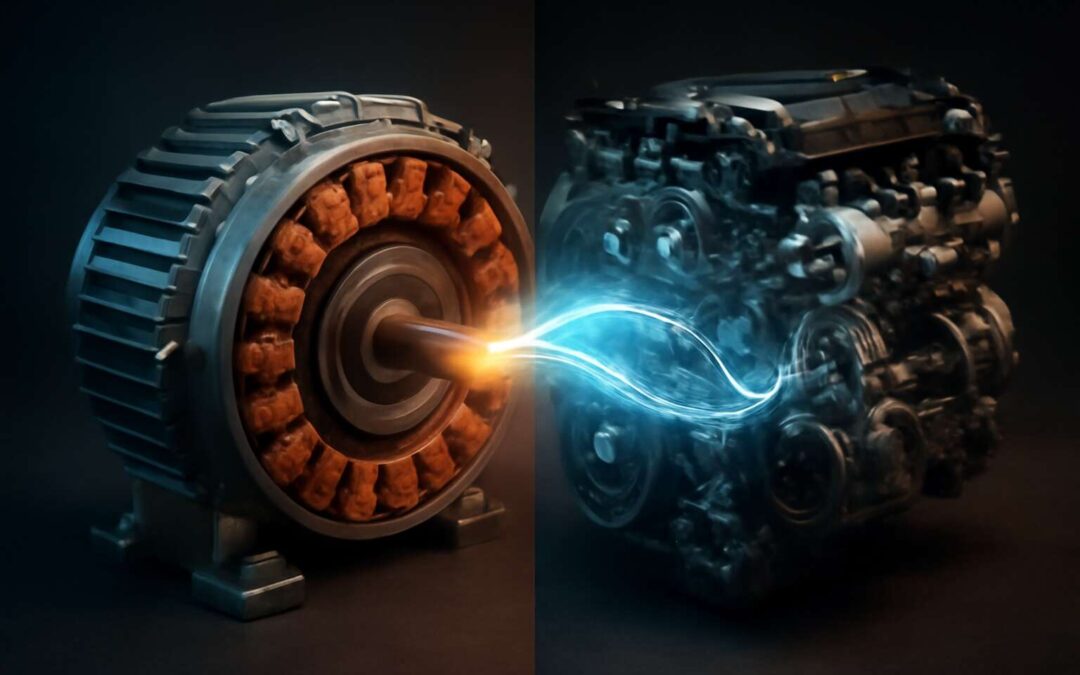
Core differences in how they power a vehicle hinge on design. Electric motors rely on magnetic fields powered by a battery and inverter, delivering instant torque and a smooth, quiet surge with few moving parts. Internal combustion engines squeeze, burn, and expel exhaust through pistons, valves, and fuel management.
- Instant torque from a standstill
- Fewer moving parts, less maintenance
- Fuel vs. electricity infrastructure considerations
The practical upshot is clear across South Africa’s roads. These factors shape how power travels from grid to wheel in challenging environments.
Key Performance Metrics to Compare
Electric motors vs gas engines are more than a competition of parts— they’re a philosophy of motion. Electric motors vs gas engines convert energy with remarkable efficiency, around 85-90% from stored electricity to wheel torque, while internal combustion engines hover near 20-25%. On South Africa’s roads, that gap translates into instant, responsive acceleration and quieter operation, even as grid and fuel networks evolve to meet demand.
Core performance metrics to compare include how power is delivered, how it’s managed, and what it costs to keep running.
- Instant torque and throttle response
- Overall efficiency and heat management
- Maintenance costs and component wear
- Refueling vs charging speed and the corresponding infrastructure
- Noise, vibration, and ride comfort
In a South African context, these elements influence everything from insurance costs to fleet strategy and daily driving routines.
Common Use Cases by Industry
Core differences in powertrains reveal themselves not as a war of gadgets but as a philosophy of motion. In South Africa’s diverse economy, the answer to electric motors vs gas engines hinges on duty cycle, maintenance burden, and how torque arrives—rapid and precise or rugged and enduring. The bottom line: the right choice depends on the task, the environment, and the rhythm of daily operations.
Industries where each shines, by use case, include the following practical patterns:
- Manufacturing and warehousing: robots, conveyors, and automated handling crave high efficiency, low noise, and minimal downtime.
- Mining and bulk-materials handling: electric motors reduce shaft emissions on the surface, while rugged diesel remains a staple when remote fueling is a challenge.
- Public transport and agriculture: urban transit benefits from electric traction; farming operations leverage reliable engines for irrigation and long uptime.
Durability and Reliability Considerations
Reliability writes the contract with uptime. In the field, a powertrain that runs smoothly through long shifts beats flashy specs every time. When you compare electric motors vs gas engines, durability and reliability become the deciding factors in rugged South African environments.
Electric motors have fewer moving parts, no crankshaft slap, and simpler cooling, which translates to longer service intervals and fewer surprises. They resist vibration well and can be designed for sealed environments.
- Fewer moving parts, fewer failure modes
- Longer service intervals
- Predictable maintenance cycles
Gas engines, by contrast, bring rugged torque where a powerplant must spin up quickly, yet they require more frequent servicing, fuel logistics, and emission controls. Ultimately, the right match depends on duty cycle, location, and the rhythm of daily operations.
Efficiency, Performance, and Torque Characteristics
Efficiency Curves and Load Profiles
Across rural workshops, efficiency is the thread that keeps days moving. When you compare electric motors vs gas engines, the difference shows in steadier operation and lower energy waste. They run cooler and adapt to changing loads with confidence. I’ve seen this in our own shed.
- Low idle losses
- Flat torque under changing loads
- Lower cooling needs
Performance matters as the day grows. Electric drives respond instantly, delivering crisp throttle and easy starts; gas engines require revs. On South Africa’s farms, that instant response means fewer stalls and steadier work.
Torque characteristics, efficiency curves and load profiles reveal the core story. Electric motors deliver high torque from zero RPM and hold it; gas engines peak later as revs climb. Efficiency curves show electric systems staying efficient across a broad range, while engines falter at idle. In practice, electric systems suit frequent, small adjustments; gas engines excel in sustained high loads.
Torque Delivery and Response
In rural workshops across South Africa, efficiency is the quiet engine behind every tote-and-trail day. When electric motors vs gas engines are compared, the gains aren’t just about power; they’re about shaving idle losses and cooling costs. Electric systems run cooler and keep energy use steady, even as loads drift—perfect for long shifts in sheds.
- Low idle losses
- Flat torque under changing loads
- Lower cooling needs
Performance matters as the day grows. Electric drives respond instantly, delivering crisp throttle and easy starts; gas engines require revs. On farms and in sheds, that instant response means fewer stalls and steadier progress, even when tasks shift with the weather.
Torque delivery and response reveal the core difference. Electric motors deliver high torque from zero RPM and hold it; gas engines peak later as revs climb. Efficiency curves underscoring this show electric systems staying efficient across a broad range, while engines lose momentum at idle. For frequent, small adjustments, electric wins; for sustained high loads, gas engines carve out a niche.
- Instant torque from standstill
- Torque held through changing loads
- Different peak-torque timings guide drive strategy
Power-to-Weight and Size Implications
In South Africa’s rural sheds, uptime is currency. When you compare electric motors vs gas engines, gains begin with efficiency: cooler running, steadier energy use, and lower idle losses that trim cooling costs and extend shift life.
Performance follows: electric drives respond instantly with crisp starts, while gas engines need revs to wake up. That instant torque translates into fewer stalls and more predictable progress as conditions shift across the day.
Torque characteristics shape equipment choice when space and weight matter. Electric motors deliver usable torque from standstill and keep it as loads move, allowing compact systems with smaller cooling needs and a lighter footprint.
- Higher power-to-weight ratio
- Smaller, lighter components
- Lower cooling and quieter operation
Lifecycle Efficiency and Energy Source Impacts
Efficiency must be seen as a lifecycle conversation in South Africa’s rural sheds, where uptime is currency and cooling costs bite. In the comparison of electric motors vs gas engines, lifecycle efficiency and energy source impacts reshape daily workflows, trimming idle losses and extending service life.
Performance follows that efficiency: electric drives respond instantly with crisp starts, keeping momentum as conditions shift through the day. Fewer revs, less heat, and steadier energy use translate into fewer stalls and more predictable progress on rough terrain and variable loads.
- Instant torque and smooth starts
- Reduced idle losses for cooler operation
- Quieter, simpler cooling needs
Torque Characteristics shape the choice when space matters. Electric motors deliver usable torque from standstill and sustain it as loads climb, enabling compact packages with smaller cooling and a lighter footprint. Lifecycle thinking tilts the balance toward electric power when energy source impacts matter in variable-duty environments.
Performance in Extreme Conditions
Across South Africa’s rural sheds, uptime is currency and efficiency a quiet advantage. Lifecycle thinking trims cooling costs and idle losses as workloads swing from surge to standby. The choice between electric motors vs gas engines becomes a lifecycle decision, shaping energy use as much as horsepower.
Performance follows efficiency: electric drives respond instantly with crisp starts, maintaining momentum as conditions shift through the day. Fewer revs, less heat, and steadier energy use translate into fewer stalls on rough terrain and under varying loads.
In extreme conditions, torque characteristics become the deciding factor. Electric motors deliver usable torque from standstill and sustain it as loads climb, enabling compact packages with smaller cooling and a lighter footprint for space-constrained, variable-duty environments on South African sites.
Operational Costs, Maintenance, and Longevity
Energy vs Fuel Cost Comparison
Across South Africa, energy costs shape every equipment decision. When you weigh electric motors vs gas engines, long-term operating costs tend to favor electricity, even amid tariff swings. The true math includes reliability, downtime, and the ease of sourcing parts and service locally.
Maintenance is where the split shows clearly. Electric motors have fewer moving parts, fewer lubrication cycles, and simpler servicing. Gas engines require regular tune-ups, filters, and cooling checks that can interrupt production in a tight SA supply chain.
Longevity leans toward durable electric designs, especially with proper cooling. Over a lifecycle, energy costs tend to be steadier—and total cost of ownership often lower—despite upfront capital differences between the two approaches.
Maintenance Requirements and Downtime
Operational costs in South Africa are a quiet determinant in equipment choices. When you compare electric motors vs gas engines, the long arc tends to favor electricity, even with tariff swings. The true math weighs reliability, downtime, and how readily parts can be sourced locally.
Maintenance shows the split clearly. Electric motors have fewer moving parts and simpler servicing; gas engines demand regular tune-ups, filters, and cooling checks that can interrupt production in a tight SA supply chain.
- Electric motors: minimal lubrication and rare field servicing
- Gas engines: regular tune-ups, fuel system and cooling maintenance
Longevity favors durable electric designs, especially with proper cooling. Over a lifecycle, energy costs tend to be steadier, and downtime often stays lower as components wear less. Sourcing and serviceability in SA can further extend uptime and reduce the total cost of ownership.
Lifespan and Replacement Cycles
Downtime in South Africa is costly; some sectors lose up to 5% of annual output to stoppages. When you compare electric motors vs gas engines, the long-term calculus favors electricity, even as tariffs swing.
Operational costs hinge on uptime and predictable energy. Electric motors run with fewer moving parts, delivering steadier energy use; gas engines contend with fuel volatility and cooling checks. In SA, local sourcing speeds maintenance and reduces hidden downtime.
Maintenance is decisive: electric motors need minimal lubrication and little field servicing, while gas engines require regular tune-ups and fuel-system upkeep, which can interrupt production.
Longevity favors electric designs when cooling is proper. Over a lifecycle, downtime stays lower as components wear slower, and local parts availability in SA further cuts the total cost of ownership and shortens replacement cycles.
Repairability and Spare Parts Availability
In South Africa, downtime can erase up to 5% of annual output, turning a quiet shift into a costly storm. When you compare electric motors vs gas engines, the long-term calculus favors electricity, even as tariffs swing, because uptime and predictable energy deliver steadier results.
Maintenance is decisive. Electric motors need minimal lubrication and little field servicing, while gas engines require regular tune-ups and fuel-system upkeep, which can interrupt production.
- Fewer moving parts mean fewer field failures
- Less fuel and cooling system maintenance
- Better alignment with local SA spare parts networks
Longevity and repairability hinge on cooling and material choices. When cooling is proper, electric designs wear slower, keeping downtime lower and ensuring spare parts become a quick rendezvous rather than a long hunt.
Environmental Impact, Emissions, and Sustainability
Emissions and Air Quality Impacts
Across South Africa’s cities, transport emissions account for nearly a third of urban air pollutants—a statistic that sharpens the focus on how we power machines. The comparison of electric motors vs gas engines reveals a cleaner path for mobility and industry alike.
Emissions during operation are the clearest difference: electric motors carry no tailpipe emissions, and as the grid decarbonizes, that advantage grows. In a coal-heavy grid, efficiency still translates to lower local pollutants over time, supporting better air quality in workplaces and corridors. Imagine air becoming cleaner as grids decarbonize!
From a sustainability lens, lifecycle energy, and end-of-life considerations matter as much as performance. The conversation about electric motors vs gas engines extends beyond efficiency to materials and end-of-life stewardship. Plan for responsible sourcing, recycling, and evolving grid mixes to understand the true environmental footprint.
- Lower urban emissions and improved air quality
- End-of-life recycling and material stewardship
Noise, Vibration, and Comfort
Across South Africa, industrial corridors thrum with activity and a shared longing for cleaner air. The conversation around environmental impact narrows to a simple question: electric motors vs gas engines. The result can be a more humane factory floor—quieter, smoother, and more reliable.
- Quieter operation that reduces fatigue and improves communication
- Smoother torque delivery and comfort for operators
- Reduced vibration levels that protect machinery and floors
Emissions during operation are the clearest fault line: electric motors carry no tailpipe emissions, and as the grid decarbonizes that advantage grows. In a coal-heavy economy, efficiency still translates to lower local pollutants and a calmer workplace.
Sustainability isn’t only about today’s performance; it hinges on sourcing and planning for reuse. Thinking ahead about materials, component life, and recycling paths makes electric motors vs gas engines not just cleaner today, but easier to steward tomorrow—keeping resources in circulation and waste lower.
End-of-Life Considerations and Recycling
Cleaner air on the factory floor is a bottom-line advantage. In South Africa’s industrial corridors, the choice between electric motors vs gas engines shapes fatigue, communication, and uptime. Emissions during operation are the clearest fault line: electric motors carry no tailpipe emissions, and as the grid decarbonizes that advantage grows.
Sustainability isn’t only about today’s performance; it hinges on sourcing and planning for reuse. Thinking ahead about materials, component life, and recycling paths makes electric motors vs gas engines not just cleaner today, but easier to steward tomorrow—keeping resources in circulation and waste lower.
- Materials designed for easy recycling
- Modular components for longer life
- Clear recycling pathways for magnets and copper
End-of-life considerations require practical steps. In SA, recycling streams exist for copper, steel, magnets, and other components, reducing landfill. A simple plan helps: integrate suppliers and recyclers into a lifecycle, track material flows, and document end-of-life options for compliance.
Policy, Incentives, and Market Adoption Trends
A factory floor feels like a living organism—clean air, a quiet hum, machines that listen. In SA, the choice between electric motors vs gas engines shapes both emissions and uptime. I’ve seen operations cut emissions by up to 40% when they switch, and the grid’s decarbonization extends that advantage as renewables rise.
Environmental impact now hinges on sustainability policy and lasting planning. In SA, procurement signals increasingly reward electrification and robust recycling pathways. These shifts turn incentives into real market momentum.
- Policy signals favor electrification and cleaner fleets
- Recycling streams for copper, magnets, steel
- Lower lifecycle costs from reduced fuel needs
- Growth in local electric-motive manufacturing
Market adoption trends show demand climbing in mining, logistics, and manufacturing as ESG metrics gain prominence. The conversation around electric motors vs gas engines blends reliability with stewardship, attracting investors who want resilience alongside cleaner operations.