
How to determine which electric motors can be variable speed
Section 1: AC induction motors with VFDs
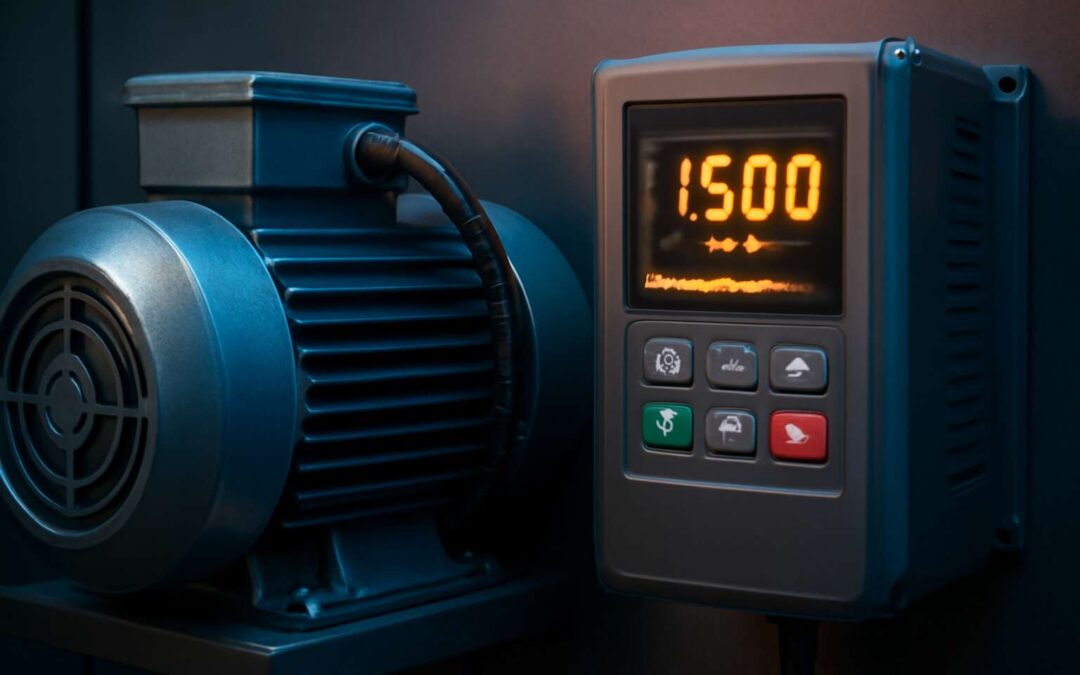
Across South Africa’s factory floors, motors drive a large share of electricity use. Embracing variable speed often starts with AC induction motors paired with VFDs, a combination that brings precise control without a complete drivetrain swap. This is about understanding what electric motors can be variable speed.
To determine suitability, start with the right checks. The following considerations help map out the fit:
- VFD compatibility with the motor’s voltage and frequency ratings
- Torque at the desired speed and a suitable speed range
- Cooling and insulation considerations for variable ramps and duty cycles
Understanding these factors reveals which machines can be variable speed with minimal upheaval to the electrical system; AC induction motors with VFDs remain the most common path in SA industries.
Section 2: DC motors with speed control
The South African workshop hums with opportunity when speed meets control. If you’re asking what electric motors can be variable speed, DC motors with speed control offer a direct path to tailor torque and RPM without rewriting your entire drive line. They respond to electrical cues, not just gears, turning demanding processes into smooth, adaptive performance that fits evolving production needs.
- Motor family and topology: brushed versus brushless, and how their field and armature arrangement handles duty and ramping.
- Speed-control method: how PWM chopping or analog field weakening interacts with your load profile and power supply.
- Thermal and insulation limits: ensuring cooling keeps pace with speed changes and duty cycles.
When these elements align, DC motors with speed control become a flexible choice inside SA plants, expanding the palette of adaptable automation without collateral upheaval.
Section 3: Brushless DC and permanent magnet motors
In South Africa’s demanding production lines, energy efficiency and smooth acceleration can define a plant’s competitiveness. A recent industry survey found up to 25% energy savings with variable-speed brushless systems. This raises the question: what electric motors can be variable speed?
Section 3: Brushless DC and permanent magnet motors explore two topologies that deliver clean, rapid speed control through precise sensor feedback and advanced drive electronics. BLDC and permanent magnet motors rely on permanent magnets for torque, and speed is set via PWM and, when needed, vector control, aligning performance with changing loads and keeping ripple tame.
Key considerations include:
- Controller compatibility and the availability of feedback sensors (Hall sensors or encoders)
- Thermal management and cooling capacity to sustain higher speeds and duty cycles
- Mechanical fit and inertia matching to the driven load
For South African facilities, this alignment—topology, drive capability, and cooling—explains why brushless DC and permanent magnet motors are often chosen for variable-speed service.
Section 4: Synchronous reluctance and switched reluctance motors
In the dim glow of South African plants, the question that threads through planning rooms is this: what electric motors can be variable speed. That question—what electric motors can be variable speed—narrows to two players: synchronous reluctance and switched reluctance motors, forged for precise control at scale.
Section 4: Synchronous reluctance and switched reluctance motors unfold with a quiet elegance. Synchronous reluctance relies on rotor saliency to conjure torque without windings seeking constant current, while switched reluctance flips energization of stator phases to guide a bare-boned rotor, delivering speed with a bite of ripple. The choice hinges on drive capability and the ability to tame ripple through robust control and reliable feedback under shifting loads. For South African facilities, the appeal lies in matching rotor geometry to the plant’s thermal headroom and to the drive’s precision.
- Rotor geometry and reluctance torque profile
- Control method and feedback availability (sensors or sensorless)
- Cooling and mechanical fit for the expected duty cycle
- Drive electronics capable of precise current shaping to minimize ripple
When these elements align, SR and SRM reveal themselves as reliable choices for challenging production lines in South Africa.