
Core Concepts of Electric Motors
What is an electric motor and how it works
Across South Africa’s streets, mines, and factories, electric motors quietly power progress; global estimates suggest they account for roughly half of industrial electricity use. They turn raw energy into motion with a surprising elegance, like a whispered current shaping steel into purpose!
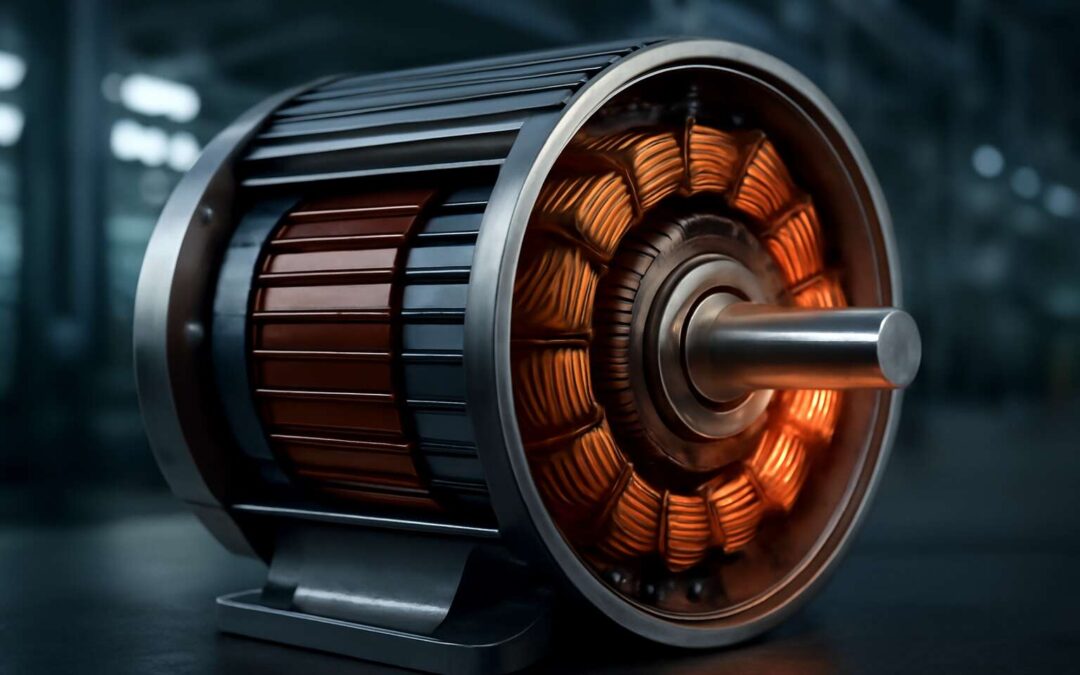
What is an electric motor and how it works? In essence, it converts electrical energy into mechanical energy by using magnetic fields to push a rotor into motion. The stator provides a steady field; the rotor spins as currents dance within the windings.
- Stator: stationary magnets or windings create the magnetic field
- Rotor: the moving part that turns the shaft
- Drive: electronics or a commutator controls current for smooth motion
Understanding why are electric motors important reveals how design choices ripple through efficiency, cost, and reliability across South Africa’s industries — from water plants to public transport.
Key motor types and how they differ
Across South Africa’s streets, mines, and factories, electric motors are the quiet engines of progress. They are responsible for roughly half of industrial electricity use worldwide, turning raw energy into motion with a whisper rather than a shout.
Core concepts center on stator-rotor interaction, torque, speed control, and efficiency tuning. The main motor families diverge in control philosophy and maintenance needs:
- Induction motors (AC) — rugged, cost-effective, and excellent for steady speeds
- Brushless DC motors (BLDC) — high precision and smoothness, ideal for automation
- Synchronous motors — efficient at scale, with constant speed under load
- Brushed DC motors — simple and cheap but higher wear
But why are electric motors important for SA’s power networks, mines, and water plants? They deliver scalable motion, cut energy waste, and enable reliable operations—without them, a belt of bureaucracy would grind to a halt.
Core components of electric motors
Across South Africa’s streets and sprawling industrial estates, a quiet reckoning happens every moment: electric motors power progress while staying almost unseen. Globally, these machines gulp roughly half of industrial electricity, turning raw power into motion with precision and purpose!
Core concepts hinge on the hidden choreography of fields and forces.
- Stator and rotor—the fixed and rotating hearts that forge torque.
- Windings and magnets—where magnetic push and pull originate.
- Bearings and shaft—bearing load while keeping balance in motion.
- Cooling and heat management—protecting efficiency in demanding environments.
This explains why are electric motors important for SA’s power networks, mines, and water plants—quiet engines that turn energy into motion, supporting pumps, conveyors, and fans in challenging environments.
Common efficiency metrics and why they matter
In the quiet depths of South Africa’s industrial heart, electric motors are the nocturnal engines that move pumps, conveyors, and ventilators. Globally, these machines gulp roughly half of industrial electricity, turning raw power into motion with surgical precision. The question behind every coil—why are electric motors important—haunts workshops and boardrooms alike.
Core concepts stride through common efficiency metrics, guiding design and operation toward balance: heat, torque, and speed harmonize to maximize performance without sacrificing longevity.
- Efficiency at full load
- Efficiency at partial load
- Power factor and reactive losses
- Torque ripple and smoothness
In SA’s power networks, mines, and water plants, these metrics influence reliability and energy stewardship—quiet guardians of motion in demanding environments.
Applications Across Industries
Industrial machinery and automation
Across South Africa’s industrial heartlands, electric motors power everything from mining conveyors to tram depots. Uptime gains of up to 20% occur when drives are matched to load, turning uncertainty into steadiness. This is why are electric motors important to modern factories—anchor reliability, drive automation, and enable scalable growth.
Here are the core applications that keep sectors moving:
- Conveyor systems that keep supply chains flowing
- Pumps and fans in mining, agriculture, and water treatment
- Automated machining and robotic material handling
- Compressors and HVAC components for large facilities
Industrial machinery and automation demand consistent torque, robust bearings, and designs built for dust, heat, and variable loads. Motors chosen for efficiency cut energy bills and maintenance downtime, a practical boon for South Africa’s energy-intensive industries while supporting ambitious automation goals.
On factory floors and in remote sites alike, the small, humming motor remains a glimmering engine of possibility!
Electric vehicles and transportation
“Electric motors are the quiet heartbeat of modern mobility,” a SA fleet engineer told me. Across South Africa, they power buses and trams, turning energy into dependable motion with a finesse that reduces wear. Understanding why are electric motors important reveals their role in reliability, uptime, and the promise of smarter transport networks.
In transport and mobility, the applications span a spectrum that keeps economies moving:
- Urban and regional electric fleets—buses, taxis, and light delivery
- Rail and tram networks delivering smooth, reliable headways
- Maritime ports and inland shipping powered by electrified propulsion
- Charging infrastructure and energy storage integration that support scale
Beyond transit, compact motors energize last-mile logistics, rural connectivity, and emergency services, weaving efficiency into every mile and every minute. The result is a transport network that breathes easier and travels farther with less maintenance—proof that electric motors can turn ambition into road-ready reality in South Africa.
Energy and power generation equipment
Globally, electric motors account for roughly 40% of electricity use, a fact that makes them the quiet engine of modern industry. In South Africa, that same rhythm powers mines, refineries, factories, and utility networks, turning energy into dependable motion with unmatched finesse. This shows why are electric motors important for reliability across energy and power generation equipment.
- Pumps, fans, and compressors in power plants, water treatment, and mining operations
- Conveyor belts, crushers, and grinding mills in mineral processing and manufacturing
- HVAC and cooling systems that keep large facilities stable under load
- Grid-scale storage and renewable integration gear that smooths supply and demand
In a country where uptime is gold, these motors offer almost supernatural resilience—spinning beyond fatigue and keeping industries alive from the heart of a generator room to the edge of the distribution network!
Aerospace and robotics applications
Powering the quiet propulsion behind aerospace and robotics, electric motors do more than spark action; they shape mission success! Globally, electric motors account for roughly 40% of electricity use, a heartbeat that keeps high-stakes systems on track. Why are electric motors important? Because in tiny frames, they deliver precise torque, rapid response, and endurance under demanding conditions.
- actuation for flight controls and control surfaces
- precision servo systems for robotic arms
- miniature motors for micro-drones and wearable exoskeletons
From autonomous aircraft systems to agile robotic arms, these motors translate digital commands into real-world motion with uncanny fidelity. In South Africa, this translates to safer inspections, faster assembly lines, and expanded capabilities for drones and logistics bots.
Benefits and Impacts
Energy efficiency and cost savings
Motors are the unsung engines powering South Africa’s factories, turning kilowatts into tangible output—while electricity tariffs rise. A recent industry survey shows that electric motors account for a substantial slice of factory power, making efficiency and reliability more than a nice-to-have. The perennial question—why are electric motors important—has a practical answer: energy efficiency and lower operating costs.
In terms of energy efficiency, the gains are tangible and scalable. Consider the following benefits!
- Lower energy bills from high-efficiency designs and drives
- Reduced maintenance and longer life due to robust construction
- Less downtime and smoother process control through precise speed
Beyond numbers, smarter motor selection cuts heat, shrinks carbon footprint, and steadies production lines—an asset in any SA plant facing load growth and tariffs!
Environmental benefits and reduced emissions
Industrial motors gulp up to 60% of a factory’s electricity, a statistic that should alarm any executive. why are electric motors important—because smarter choices here cascade into cleaner air, lower costs, and steadier production in SA’s demanding climate.
Environmental benefits and reduced emissions flow from efficient motors across operations.
- Lower emissions due to high-efficiency designs and drives
- Reduced heat generation, cutting cooling energy needs
- Quieter operation, improving workplace safety and comfort
In SA, these environmental gains translate into resilience against tariffs and load growth, a quiet victory for plants aiming to do more with less.
Reliability, maintenance, and lifecycle costs
With motors driving up to 60% of factory electricity, reliability isn’t cosmetic—it’s currency. So, why are electric motors important? They anchor production in a storm of demand, keeping lines moving and schedules intact, even in South Africa’s climate where heat and load can press hard on equipment. When reliability shines, downtime shrinks and energy waste falls away, quietly boosting margins and morale.
Consider these reliability and lifecycle benefits:
- Unplanned stoppages drop as motors run with predictable, diagnostic-friendly designs
- Maintenance becomes proactive, guided by vibration, temperature, and current monitoring
- Lifecycle costs improve through longer bearing life, fewer faults, and energy efficiency
Better maintenance discipline also preserves resale value and ensures spare parts availability. In South Africa’s context, stable motors translate to steadier production lines, easier tariff management, and resilience against load growth.
Influence on productivity and performance
Across South Africa’s industrial heartland, where every watt counts, a motor’s rhythm can steer a factory’s fate. With up to 60% of a plant’s electricity flowing through motors, their performance translates into throughput, accuracy, and bottom-line confidence. So, why are electric motors important? They anchor production to a steady cadence, delivering torque when it’s needed most and smoothing the peaks and troughs of demand.
- Consistent torque keeps lines in balance and reduces waste
- Predictive diagnostics cut unplanned downtime and speed repairs
- Rapid changes in load become manageable, boosting cycle times
In South Africa, this reliability translates to steadier tariffs, resilient supply, and a calmer factory floor, proving why are electric motors important beyond buzzwords—they are the metronome of modern production.
Emerging Trends and Future Outlook
Advanced materials and permanent magnet innovations
The quiet engine behind factories, data centers, and mines is changing. Emerging trends in advanced materials and magnet innovations promise bigger efficiency, lighter packages, and smarter control. This reminds us why are electric motors important for modern industry. These gains translate into uptime, cost control, and competitiveness.
Here are trends to watch:
- Higher energy-density magnets with less rare-earth material
- Better thermal management and cooling
- Additive manufacturing for lighter, intricate magnetic circuits
Looking ahead, smarter, cleaner energy use and more resilient industries across South Africa await, powered by local supply chains and skilled engineering.
Smart motors and IoT integration
“Every watt saved is a dollar earned,” a plant manager in Gauteng notes—uptime and efficiency are no longer optional. This frames why are electric motors important in modern industry.
IoT-enabled sensors feed real-time performance data, enabling predictive maintenance and smarter energy use.
- Real-time condition monitoring
- Predictive maintenance scheduling
- Remote diagnostics and control
Across South Africa, smarter energy management and resilient supply chains hinge on local engineering talent and credible component sourcing. This shift is already powering mines, factories, and data centers.
Digital twins and predictive analytics in motor maintenance
Digital twins and predictive analytics are turning motor maintenance from a gamble into a precise science. In South Africa’s busy mines, factories, and data centers, these tools translate raw wear and heat into actionable insight. Real-time models mirror actual machines, flagging drift before it becomes a fault and smoothing energy use along the way. This is why are electric motors important in modern industry—their reliability now hinges on data rather than guesswork.
- Real-time performance modeling
- Predictive analytics for wear and maintenance windows
- Remote diagnostics and control adjustments
Looking ahead, the surge in digital-twin ecosystems will lean on local engineering talent and credible component sourcing. South Africa’s plants can expect longer motor lifecycles, steadier power demand, and more resilient operations as predictive analytics becomes standard practice across mining, manufacturing, and services.
Grid integration and renewable energy synergy
Grid resilience isn’t a luxury—it’s the beating heart of South Africa’s industries. As solar and wind feed the grid, motors must ride the surge with smarter control and modular power. Grid integration and renewable energy synergy will reduce outages and smooth demand across mines, factories, and data centers. This is why are electric motors important in a grid-aware future, powering innovation for leaner plants, stronger mines, and smarter communities.
- Grid-forming inverters enable localized microgrids that keep critical loads humming.
- Co-located energy storage smooths solar and wind variability for steady motor torque.
- Smart motor control aligns with fluctuating generation, cutting waste and refining ramp rates.
Beyond hardware, the trend is a partnership—local engineers, credible suppliers, and advanced components weaving motors into an intelligent energy ecosystem. The result is longer lifecycles, steadier power demand, and operations that endure the unpredictable rhythm of the South African grid.
Industry case studies and ROI expectations
Global grids tighten and efficiency becomes mission-critical. More than half of industrial electricity is driven by electric motors, steered by smarter controls and modular power. This is a moment to ask: why are electric motors important. They anchor reliable throughput, uptime, and cost discipline, turning capital into steady, predictable output even as South Africa’s loads swing.
ROI trends crystallise around proven wins across hospitals, logistics hubs, and agricultural processing. Early adopters report shorter payback and steadier torque as smart motor control becomes standard.
- rapid payback through energy efficiency and reduced downtime
- steady torque smoothing and longer equipment life
- local supplier partnerships lowering lead times and lifecycle costs
Across sectors, these patterns translate into longer lifecycles, stable demand, and operations resilient to SA’s grid rhythms.