
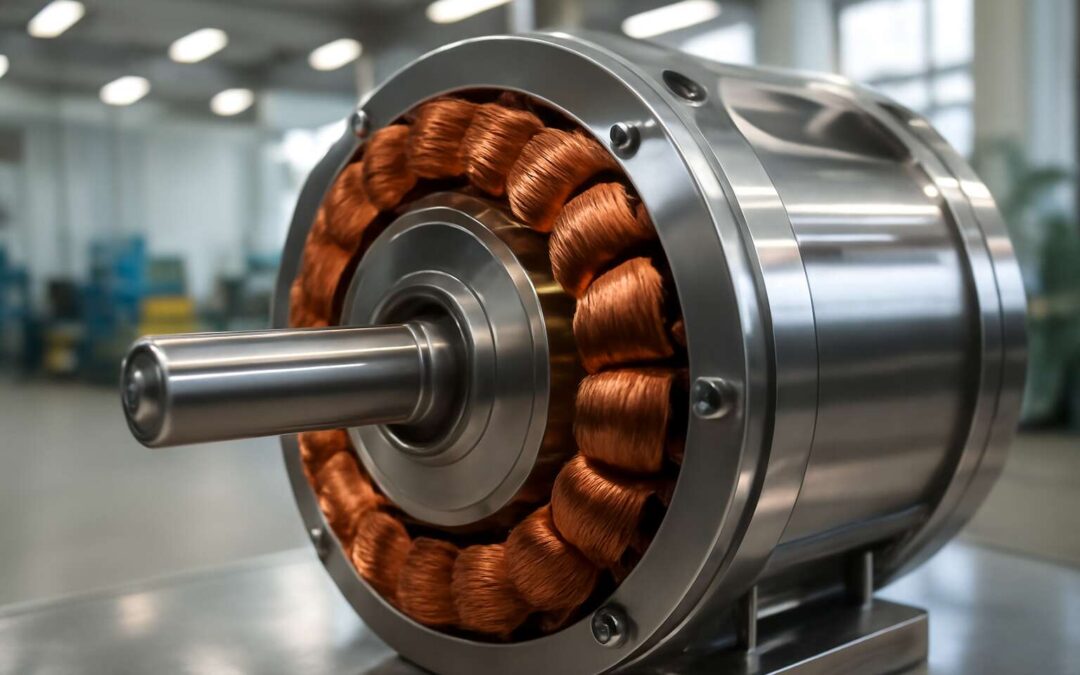
Fundamentals of Electric Motor Systems
Common Types of Electric Motors
Electric motor systems pulse through industry like a heartbeat in steel, turning electricity into motion with grace. In fundamentals for electric motors, efficiency, torque, and duty shape every decision—far beyond raw horsepower. A well-matched motor reduces energy waste and prolongs life, felt on every South African production line.
- Induction motors
- Brushless DC motors
- Synchronous motors
From rugged, low-maintenance workhorses to finely tuned performers, these families tell a story of efficiency, reliability, and adaptable power. The choice is a conversation between physics and application, a dance of torque and quiet operation across South Africa’s varied industries.
How Electric Motors Work: Core Principles
Across South Africa’s manufacturing floors, the hum of a well-tuned motor marks efficiency in action. A practical statistic worth noting: incremental gains in motor efficiency ripple into substantial energy savings on the line. Fundamentals of how electric motors work center on a simple idea—magnetic fields turning a rotor, producing torque that meets the load with grace.
These core principles influence design choices, operation, and life cycle. They matter for electric motors as much in a tiny compressor as in a giant conveyor, shaping heat, noise, and reliability.
- Electromagnetic induction and the rotor-stator interaction
- Slip, torque, and the speed-torque curve
- Power factor, efficiency, and heat management
- Cooling, lubrication, and bearing dynamics
In practice, control methods and maintenance philosophies harmonize physics with application across South Africa’s varied industries.
Key Performance Metrics for Electric Motors
On South Africa’s factory floors, a 1% improvement in motor efficiency can translate into millions in energy savings. Fundamentals of electric motor systems hinge on performance—the alignment of torque with load, heat kept in check, and a clean electrical handshake that yields smooth rotation. This matters for electric motors on the factory floor, shaping design, operation, and lifecycle—from tiny compressors to sprawling conveyors.
The key performance metrics for electric motor systems include measurable fingerprints that guarantee reliability without drama:
- Efficiency and load factor
- Power factor and thermal performance
- Torque availability and speed range
- Thermal management, cooling effectiveness, and lubrication health
- Vibration, noise, and bearing wear
Choosing the Right Motor for Your Application
Across South Africa’s factory floors, a 1% gain in motor efficiency translates into millions saved on energy bills for electric motors. Choosing the right motor is about aligning load, heat, and control, especially on farms, mines, and workshops where reliability matters. The best fit respects the rhythm of daily work and the long arc of a project, from quiet compressors to the bold pull of conveyors.
To frame the choice, consider these factors:
- Duty cycle and load variability
- Operating environment and cooling needs
- Maintenance and bearing life
- Spare parts availability and service reach
In the end, the right motor keeps farmers irrigating, factories humming, and communities thriving.
Efficiency, Standards, and Performance Optimization
Energy Efficiency Metrics and Calculation Methods
On South Africa’s factory floors, electric motors power progress with a subtle enchantment. Industry-wide, these machines consume a large share of electricity, and even modest efficiency gains ripple into the bottom line. This section highlights energy efficiency for electric motors, along with standards and optimization.
Standards anchor performance and safety. Internationally, IEC 60034-1 defines efficiency classes, IEC 60034-2-1 tests losses, and South Africa’s SANS adapts these guidelines to local practice.
- IEC 60034-1: Efficiency classes
- IEC 60034-2-1: Losses and testing
- SANS 60034: Local adaptation
Performance optimization hinges on energy efficiency metrics and calculation methods. Efficiency equals output power divided by input power; power factor and core losses complete the picture. For electric motors, duty cycles and load profiles shape curves, guiding decisions without sacrificing reliability.
Standards and Certification in Electric Motors
Motors power every plant, and in South Africa they push growth forward daily. A single percentage-point improvement in efficiency can shave thousands of rand from annual energy costs. That makes choosing the right motor a practical, big-picture decision for electric motors.
Standards anchor performance and safety. IEC 60034-1 defines efficiency classes, IEC 60034-2-1 tests losses, and South Africa’s SANS 60034 adapts these guidelines to local practice.
Performance optimization hinges on energy efficiency metrics and calculation methods. Efficiency equals output power divided by input power; power factor and core losses complete the picture. Duty cycles and load profiles shape curves that guide decisions without sacrificing reliability.
- Third-party testing and certification to IEC/SANS standards
- Energy efficiency labeling for local markets
- Ongoing performance verification and maintenance checks
Retrofitting and Upgrades for Efficiency
Efficiency is the quiet artisan of the factory floor, turning power into tangible savings! Retrofitting and upgrades tell a story of cooler operation, steadier torque, and a lifecycle that respects South Africa’s energy landscape. By aligning aging equipment with standards, you sharpen performance without sacrificing reliability. For electric motors, the journey to peak efficiency starts with an honest audit of losses and a plan that nods to SANS 60034.
- Upgrade to premium energy-efficient motor classes (IE3/IE4) to cut core and copper losses
- Install a variable-speed drive to modulate speed with the load
- Boost cooling, lubrication, and vibration monitoring to extend bearing life
With retrofits, gains compound through better duty matching, reduced idle losses, and calmer grids. Ongoing performance verification and routine maintenance checks seal the improvements, ensuring that the efficiencies endure across seasons and shifts. These gains for electric motors translate into real cost relief for South African plants.
Maintenance, Troubleshooting, and Longevity
Preventive Maintenance Schedules
Maintenance keeps reliability high in heavy-duty lines. For electric motors, routine checks are the quiet hero that keeps downtime away. Regular visual inspections, bearing lubrication, alignment verification, and cooling system monitoring prevent surprises and extend service life.
- Regular visual inspections
- Bearing lubrication status and schedule
- Alignment and coupling checks
- Cooling system cleanliness and airflow
Troubleshooting starts with listening and observation. Unusual noises, overheating, or unexpected voltage or current shifts signal trouble. Check electrical connections, inspect for looseness, review recent changes to drive systems, and record any fault codes. Early clues reduce downtime and protect the motor’s longevity.
Longevity is built on a smart preventive maintenance schedule. Intervals should match load, environment, and duty cycle. Typical practice includes daily visual checks, weekly lubrication status, monthly electrical tests, and quarterly bearing and alignment reviews. A disciplined plan keeps equipment running smoothly and efficiently.
Bearing and Lubrication Care
In a world where uptime is currency, maintenance for electric motors is the quiet hero patrolling the shadows. When kept timely, the iron heartbeat maintains its tempo and downtime recedes like night! In this realm, routine care—clean enclosures, proper lubrication, and vigilant visual checks—becomes a shield against the creeping wear that haunts heavy-duty lines.
Troubleshooting begins with listening and observation. Unusual noises, overheating, or shifts in voltage or current speak in codes and omens. The motor’s story unfolds in the stubborn looseness of connections, in changes to drive systems, and in fault codes that arrive like whispers from the ether.
Longevity rests on a disciplined cadence of bearing and lubrication care. Intervals should match load, environment, and duty cycle; a balance keeps the shaft singing. A small, faithful checklist supports the ritual:
- Vibration and temperature trends
- Seal integrity and housing cleanliness
- Lubricant condition and oil- or grease-level monitoring
Vibration and Noise Diagnostics
Uptime is currency in heavy industry, and neglect is a tax collector that never takes a break. Maintenance for electric motors isn’t glamorous, but it keeps the iron heartbeat steady and downtime at bay. Clean enclosures, proper lubrication, and vigilant visual checks form a quiet shield against creeping wear in demanding lines.
Troubleshooting begins with listening and observation. Unusual noises, overheating, or shifts in voltage or current speak in codes and omens. The motor’s story reveals itself in stubborn looseness of connections, changes to drive systems, and fault codes that arrive like whispers from the ether.
Longevity rests on a disciplined cadence of bearing and lubrication care. Intervals should match load, environment, and duty cycle; a balance keeps the shaft singing. The same discipline holds true for electric motors, and sustained health means watching vibration and noise trends, seal integrity, housing cleanliness, and lubricant condition.
Electrical Fault Diagnosis
Maintenance is a quiet covenant with the iron heart. In the half-light of the workshop in South Africa, routine checks shield against creeping faults and unseen corrosion. This discipline remains essential for electric motors, keeping the rhythm steady and downtime rare!
Troubleshooting begins with listening and observation. A stray hum or sudden warmth speaks in codes. The motor’s tale unfolds in loose connections, drive changes, and fault codes that arrive like whispers from the ether. Consider these cues: a tremor in the frame, an unfamiliar tone in the hum, or subtle shifts in the drive curve.
Longevity rests on a disciplined cadence of electrical fault diagnosis: logging anomaly histories, monitoring thermal signatures, and comparing readings to baselines. A steady record reveals creeping deviations and guides timely interventions before failure quiets the line.
Reliability and Life Cycle Cost
Downtime costs more than a line idling; it eats profits and pace. In South Africa’s workshops, routine maintenance keeps the iron heart steady. Maintenance for electric motors hinges on clean terminals, secure mounts, and disciplined thermal awareness, reducing unplanned stops and extending service life.
Troubleshooting starts with listening and observation, before any tool is touched. A stray hum, a tremor in the frame, or a subtle smell tells a story of early wear. Analysts rely on anomaly histories and baselines to spot creeping deviations before faults emerge.
Longevity and life cycle cost depend on durability and predictability. A motor kept in tune is cheaper over time, balancing upfront capital with ongoing energy use, spare parts, and downtime risk. When the line runs reliably, ownership economics finally align with steady production.
Acquisition, Sourcing, and Cost Considerations
Supplier Evaluation and Quality Assurance
Acquisition for electric motors in South Africa sits at the crossroads of risk and reward. The market hums overnight, and the shrewd buyer reads the signals before committing a single unit.
Smart sourcing balances cost with resilience. Beyond price, examine capacity, lead times, and QA credibility to weather supply shocks.
- Total cost of ownership
- Delivery reliability
- After-sales support
Supplier evaluation and quality assurance anchor trust. Look for certifications, traceability, and robust nonconformance processes. The true value shows itself in uptime.
Cost considerations weave tariffs, exchange rates, and warranties into the decision. A lean quote may sting if downtime or service gaps appear later.
Total Cost of Ownership and Payback
Acquisition in the motor market is a balancing act between price, risk, and uptime. The total cost of ownership for electric motors matters more than the upfront quote, because downtime often eclipses initial savings.
Considerations that shape TCO and payback include several interlinked drivers:
- Upfront price vs. lifecycle costs
- Delivery reliability and stock resilience
- Maintenance, spare parts availability, and warranty terms
A procurement view that prioritises these factors helps ensure steady production, reduced energy waste, and a clearer path to payback without pretending the market is simple.
Sizing and Specification Tips in Electric Motor Systems
Acquisition in motor systems is a delicate balance of price, risk, and uptime. The real payback hides in reliability and stock resilience, not the initial quote. For electric motors, procurement teams win by weighing supplier stability, delivery reliability, and lifecycle costs alongside upfront cost.
- Load profile and duty cycle alignment to avoid oversizing or underperforming motors
- Enclosure rating, insulation class, and cooling strategy suited to the plant environment
- Spare parts availability, service network, and warranty terms in your region
Sizing and specification tips emerge from a holistic view: select motors that match actual load, permit future growth, and harmonize with drives and controls. The magic lies in embracing reliability, responsive service, and a robust supplier ecosystem, ensuring the system for electric motors performs beyond the first sunrise.