
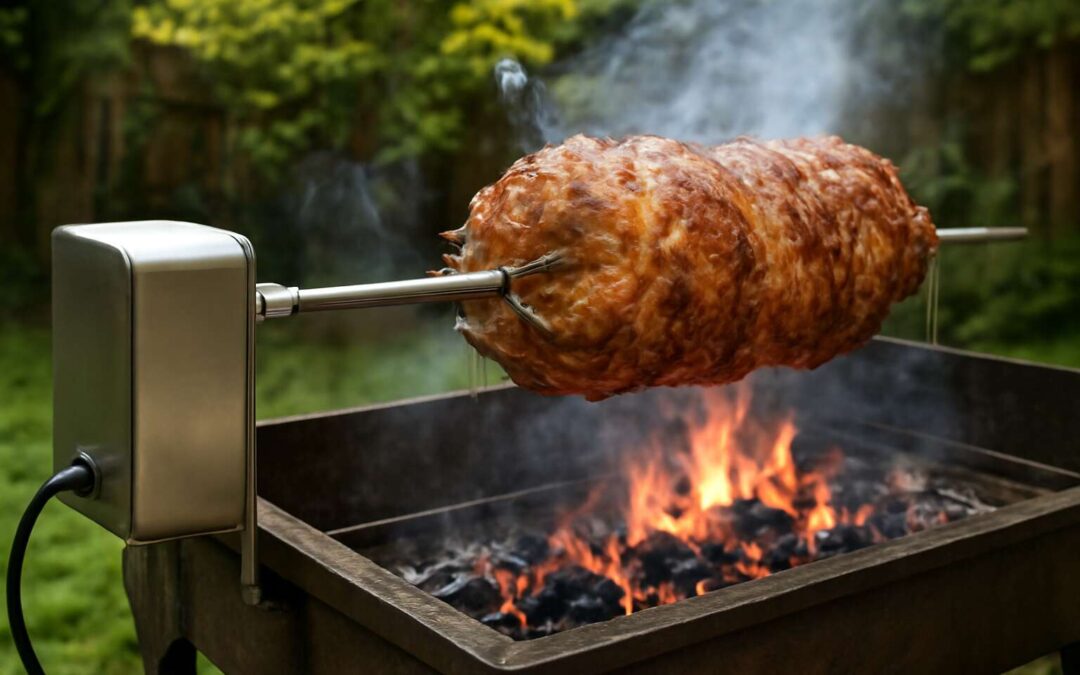
Choosing the right motor for a spit braai
Overview of motor types for rotisseries
On a South African braai night, 76% of perfect evenings hinge on a motor that never quits. Choosing the right motor for a spit braai is more than a purchase; it’s the quiet heartbeat of hospitality, turning heat into tenderness. Spit braai electric motors travel from beachside braais to high veld kitchens.
Here are common motor types for rotisseries:
- AC induction motors with gear reductions for steady, robust rotation
- Brushless DC motors (BLDC) offering quiet operation and precise speed control
- Geared DC motors that balance torque and smooth slow rotation
- Brushed DC motors as a budget-friendly option for casual cooks
Whichever path you choose, durability and weather resistance matter in South Africa’s outdoors. Seek motors built for outdoor duty, with solid mounts and heat tolerance. For many hosts, spit braai electric motors are the unsung heroes of a warm, memorable evening.
Compatibility with common spit braai models
Choosing the right motor for a spit braai is like selecting the heartbeat of a gathering—steady, forgiving, and willing to wait for the last bite. In South Africa’s outdoors, compatibility with common spit braai models is as crucial as the fire itself. When the rotation aligns with your grill, spit braai electric motors deliver tenderness and a rhythm that hosts trust.
- Mounting pattern and shaft diameter match your model
- Voltage and control compatibility with your power setup
- Weatherproofing and heat tolerance for outdoor duty
Take a moment to verify these details before you buy, so the motor becomes a quiet partner rather than a loud interruption. When it fits, these motors become the unsung heroes of a warm, memorable evening.
Voltage, current, and wattage considerations
Voltage isn’t a minor detail; it’s the drumbeat of the feast. In South Africa, the 230-volt mains set the tempo for even, tender spit-roasted meat. The right rotor becomes a quiet partner, turning with patience as the evening rounds the fire. The choice of spit braai electric motors matters for steady rotation and consistent heat.
- Voltage compatibility with South African mains (230V/50Hz) to prevent under- or over-speed.
- Current draw and circuit capacity to avoid overloading fuses or tripping breakers.
- Wattage and torque balance to maintain a smooth, even turn across the roast.
Consider safety features as well: thermal protection, sealed bearings, and weatherproof housings that shrug off wind and spray. The motor’s speed matters—too fast tilts the meat, too slow drifts it into a dry edge. Aim for a gentle, unwavering cadence that keeps the table chatting long after the flames settle!
Maintenance and safety checks before purchase
Choosing the right motor for spit braai electric motors is more than a gadget choice; it’s the quiet tempo-setter of the evening, turning meat with an even, patient cadence. The ideal unit respects your roast’s weight, wind, and rotisserie height, delivering reliable turns without drama.
Before purchase, maintenance and safety checks save you a ruined feast. Look for robust mounting, sealed bearings, and a weatherproof housing designed for SA conditions. A thermal switch and easy access for lubrication keep the rhythm steady in changing winds.
- Mounting compatibility
- Sealed bearings
- Thermal protection
- Weatherproof seals
With the right motor, conversations linger around the table long after the flames settle. A small, thoughtful investment yields a lifetime of even turns and safer cooking.
Types of electric motors used in spit braais
DC motors for compact setups
Powerful bites come from compact brains: “Small motors, big flavour.” In compact setups, DC motors are the go-to for spit braai electric motors, offering tidy footprints, friendly price tags, and straightforward PWM control that makes turning spit rotation a breeze.
- Brushed DC motors: simple, cheap, and easy to source for quick builds.
- Brushless DC motors (BLDC): higher efficiency and cooler running for longer sessions.
- Geared DC motors: built-in gearing to deliver torque at low speeds without overtaxing the drive.
When choosing, consider torque, speed, and the drive shaft’s alignment with your spit. The right DC motor combination keeps meat turning evenly while keeping heat in check, a hallmark of effective spit braai electric motors.
AC motors and their reliability
AC motors power the spit braai electric motors, the quiet workhorses that keep South African grills turning with steady patience. “Reliability is the true spice,” a kitchen sage might say, and induction or shaded-pole designs deliver just that—tough, simple, and ready for heat. Home setups usually lean on single-phase induction, while larger roasters leverage three-phase builds and robust timers to maintain a steady, unhurried turn.
- Rugged construction with few moving parts
- Cost-effective availability and easy sourcing
- Simple control via timers or basic VFDs
- Potential for higher operating temperatures in heavy-duty cycles
Across South Africa, AC motors prove their mettle when the braai flame is high and the crowd grows. Align the drive shaft with precision, and these dependable rotators reward patience with even rotation and long life.
Servo and stepper motors for precision turning
Precision matters when the flame flares and the crowd gathers, and servo and stepper motors stand as the quiet artisans behind the spit. In the realm of spit braai electric motors, servo systems bring closed-loop accuracy to a single rotation, adjusting on the fly for even browning and consistent pace. Stepper motors offer straightforward, line-by-line control, translating timetables into measured turns that suit modest roasts and home setups with no fuss!
- Servo motors: closed-loop feedback, high torque, smooth speed, resilient under heat.
- Stepper motors: simple electronics, open-loop control, cost-efficient for entry-level roasters.
Both options celebrate the same South African appetite for patience and craft, turning moments into mastery on the braai.
Brushless DC motors and efficiency
Across South Africa’s braai culture, efficiency is as vital as flame and flare. Brushless DC motors are the unsung athletes of spit braai electric motors, delivering high torque with minimal heat buildup and virtually no brush wear. Their sensors keep the spit on a steady cadence, adapting to wind shifts, coals, or crowd energy so browning stays even and predictable.
- Low thermal footprint keeps equipment cooler, longer
- Longer service intervals reduce downtime on busy weekends
- Quieter operation preserves the rhythm of the braai while guests chat
These efficiency advantages translate into real-world savings and consistent results, from compact home setups to mid-sized roasters. For cooks who prize reliability, brushless drive in spit braai electric motors offers a modern, low-maintenance path to perfect, even colour.
Installation, wiring and safety considerations
Electrical safety guidelines for outdoor use
The rhythm of a Sunday braai isn’t just smoke—it’s the whisper of spit braai electric motors keeping the spit turning with quiet dignity. Outdoor installations demand more than power; they demand patience and respect for weather. For rugged South African backyards, choosing a motor that’s built to endure sun and rain matters as much as torque.
Electrical safety guidelines for outdoor use are non-negotiable. Weatherproof enclosures, damp-rated connectors, and careful cable management save you from costly surprises. Always opt for equipment with IP ratings and a ground-fault circuit interrupter to protect family and property.
- IP-rated housing and waterproof seals
- GFCI protection and proper grounding
- Cable routes that stay clear of heat and rain
- Regular inspection for wear, corrosion, and loose mounting
Wiring diagrams and common connections
In the smoky tempo of a Sunday braai, the metronome is the hum of spit braai electric motors—without it, the feast stalls. “Turn is trust,” as a seasoned braaier likes to say, and wiring diagrams become a compass for reliable, weather-tested rotation across South African yards.
Installation is an act of balance: sturdy mounts, tidy cable management, and a weatherproof enclosure that holds the heart steady through sun and rain. Wiring diagrams reveal the intimate poetry of current flow, translating intention into safe performance and a gracefully even turn.
- L – Live feed
- N – Neutral
- E – Earth/ground
Terminations stay secure, color-coded, and protected from the elements; conductor sizing and clean, clear terminal blocks prevent hesitation in the moment when the coals spark to life.
Ground fault circuit interrupters and protection
In South Africa, the right motor hum turns Sundays into legendary stories. Installation is an art of balance: sturdy mounts, tidy cable management, and a weatherproof enclosure that keeps the heart steady through sun and storm. For spit braai electric motors, precision in placement translates to even rhythm and effortless flow as the coals glow and guests arrive.
Wiring and safety considerations demand more than bravado. Ground fault circuit interrupters (GFCIs) protect the setup; secure terminations with color-coded conductors and proper conductor sizing keep the current clear. Use a robust weatherproof enclosure so L, N, and E stay honest.
- Weatherproof enclosure and secure mountings
- GFCI protection and correct circuit rating
- Clear labeling of L, N, E and tidy cable routes
Done well, this careful setup keeps the vibe warm and safe as the flame meets the night.
Mounting and alignment for balanced rotation
Out of the kitchen comes a heartbeat—the quiet hum of spit braai electric motors that keeps a Sunday gathering in motion. Installation is more than a position; it’s a philosophy: a frame that breathes, an axis that sings, and a rhythm that keeps coals and conversation in step!
Wiring and safety considerations deserve thought, not bravado. Clear terminations, tidy layouts, and a drive system that respects balance prevent wobble and fatigue, turning late-night chatter into a smooth, even rotation that honors both roast and guest.
Mounting and alignment are the final art: secure fixings, a shaft that travels true, and a drive that preserves balanced rotation under load. When done well, these motors carry flavor with grace and quiet authority.
- Rigid, vibration-damping mount
- Precise shaft alignment
- Secure cable routing and control wiring
Weatherproof enclosures and corrosion resistance
Installation is a theatre of restraint and grace. Set the spit braai electric motors into a frame that breathes—steady, true, and ready to carry Sundays from simmer to feast. In South Africa’s open-air kitchens, the right installation becomes a quiet vow: you respect balance, invite reliable rotation, and ensure a roast travels with dignity, not wobble.
Wiring and safety considerations deserve thought, not bravado. Clear terminations, tidy layouts, and drive systems that respect balance prevent fatigue and stray hot strands of wire. With spit braai electric motors, use strain relief, proper grounding, and weatherproof protection to keep the mechanism calm under rain or shine.
To finish, embrace weatherproof enclosures and corrosion resistance—silent guardians when the weather turns. Secure cable routing and robust control wiring, and you turn rugged practicality into a reliable symphony.
- Weatherproof enclosures and corrosion resistance
- Secure cable routing and control wiring
Maintenance, troubleshooting and lifespan
Regular inspection routines
Maintenance breathes longevity into spit braai electric motors. In a quiet workshop where sparks dream, a steady routine turns rattles into rhythm and neglect into costly fault. Regular inspection spots misalignment, heat pockets, and bearing wear before they steal the feast’s tempo.
Troubleshooting reads like a treasure map of clues: unusual vibrations, overheating, or stubborn sluggishness point to worn components or dust-choked housings. Each clue invites calm diagnosis, preserving balance and avoiding the sudden clatter when the flame returns to the pit!
Through mindful care, the lifespan of spit braai electric motors can outlast many a feast. A respectful cadence of checks keeps the motor in its prime, letting South African evenings taste of reliability and shared celebrations rather than sudden silences.
Common motor issues and fixes
Quiet flame is the heartbeat of a good braai; proper care for spit braai electric motors keeps that heartbeat steady. Studies show regular maintenance can extend motor life by up to 50%, a small price for a feast that never stalls. In SA kitchens, reliability tastes like rain on clay pots.
When components whisper of misalignment, heat pockets, or bearing wear, the symphony of rotation falters and your feed stalls. Dust-choked housings compound the chorus, turning a smooth turn into a rattled march. Troubleshooting becomes a quiet art of listening, diagnosing without panic and preserving balance around the pit!
Lifespan hinges on mindful care; neglect writes silence into the flame. Common motor issues—overheating, vibration, sluggishness—signal worn parts or blocked airflow. The fixes are straightforward in theory: realign, clean, reseal, and replace worn bearings.
- Misalignment and vibration
- Overheating and airflow
- Bearing wear and seals
Lubrication schedules and seal care
Maintenance, troubleshooting and lifespan hinge on a disciplined approach to lubrication and seal care. For spit braai electric motors, regular attention to grease points, seals and airflow translates into steadier rotations and tastier outcomes. In SA kitchens, that quiet hum becomes a signature of reliability, not luck.
- Lubrication focus areas: bearings, drive gears, and pivot points — all benefiting from food-grade grease.
- Seal care: checking for cracks or wear to monitor integrity and heat management.
- Dust and airflow: maintaining clear housings to preserve cooling efficiency.
- Wear indicators: listen for changes in tone or vibration signaling bearing wear.
Longer life comes from consistency, not miracles. Neglect writes silence into the flame; steady care keeps spit’s rhythm and your feast on track.
Diagnosing noise, vibration, and heat
A steady spin is the quiet sign of a well-run spit braai. In SA kitchens, the difference between a perfect roast and a tough chew is often a motor that hums, not chatters. “The spin tells the story,” says a veteran pitmaster, and it’s true for spit braai electric motors.
Maintenance, troubleshooting and lifespan hinge on listening for noise, vibration and heat. Diagnose by noting changes in pitch, wobble in the drive, or warmth near the housing. Clear airflow, balanced rotation and clean grease points help keep the motor in step with the meat. When the tone shifts or the shaft wobbles, that rhythm falters—and so does your feast.
- Unusual squeal or grinding indicates bearing wear
- Uneven vibration that rises with load signals alignment or mount issues
- Excess heat at the casing points to cooling or seal problems
Longer life comes from consistency, not miracles. Quiet care keeps the spit turning true and your feast on track.
Extending motor life with proper usage
Quiet, even rotation is the heartbeat of a great spit braai. In SA kitchens, the difference between a perfect roast and a tough chew often rides on how smoothly the motor turns. A veteran pitmaster likes to say: the rhythm tells the story—and with spit braai electric motors, that rhythm speaks volumes about the meal to come. Maintenance becomes listening, a small act that guards the night’s feast and the laughter that follows.
- Consistency in rotation
- Clear airflow and well-greased points
- Solid mounting and proper alignment
Longevity follows steady care, not shortcuts. When the engine and the cook share a quiet moment—and you hear that regular, unwavering spin—your spit braai electric motors stay in step with the meat season after season. A local study notes motors kept at a steady rhythm used up to 20% less energy, a win for wallets and families alike.