
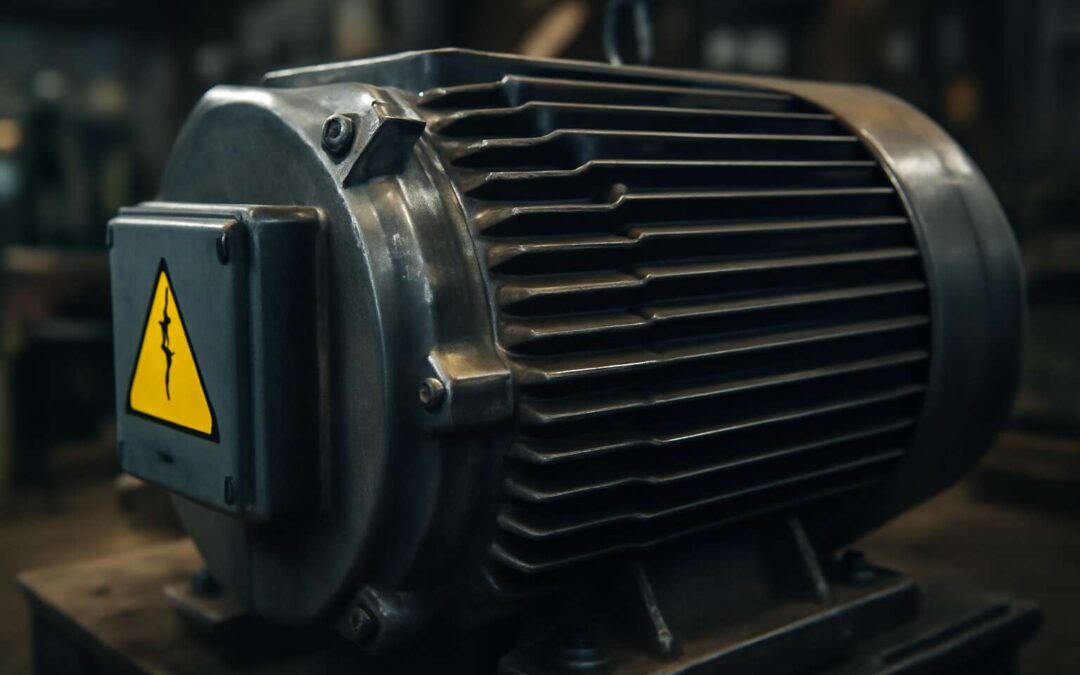
Understanding Explosion Risks in Electric Motors
What can trigger an explosive event in motors
A motor that hums in a workshop can suddenly turn into a ticking hazard if heat and sparks align. As one safety engineer puts it, “Heat is the motor’s quiet killer”!
Understanding explosion risks in electric motors means recognizing the triggers.
- Overheating from overloading or inadequate cooling
- Electrical faults such as insulation breakdown or arcing
- Lubrication failures that raise internal temperatures
- Flammable dust, vapors, or solvents in the environment
- Maintenance neglect and failed protective devices
Readers may wonder can electric motors explode, and the answer lies in how environments, equipment design, and routine checks intersect in South Africa. In factories from Gauteng to the coast, the risk is real, and awareness shapes safety culture across teams.
Thermal runaway vs explosive failure: differences
A humming motor carries a hidden weather system, weaving heat and pressure into a dangerous symphony. Understanding explosion risks in electric motors means distinguishing thermal runaway from explosive failure—the two faces of energy release. The short answer to can electric motors explode lies in how heat, containment, and energy are managed within the machine and its surroundings, a reality South Africa’s workshop floors know all too well.
- Thermal runaway builds heat gradually, often when cooling is inadequate; the result is sustained overheating that may ignite nearby materials.
- Explosive failure is a rapid, high-energy event triggered by sudden internal pressure rise or insulation fault, typically venting or shattering.
In essence, readers gain a sense of the breathing space and danger: the difference between controlled heat and a sudden blast shapes how teams monitor, inspect, and regard the equipment around them.
Environments that elevate risk
Heat is the quiet fuse haunting South Africa’s workshop floors, where a humming motor could be staging its own weather system. A punchy question keeps minds awake: can electric motors explode? Not casually; it hinges on heat management, containment, and how energy is looked after inside the machine and its confines.
Understanding explosion risks in motor environments requires reading heat, pressure, and enclosure geometry like a map. In dusty, humid spaces, heat hides in windings; misfit enclosures trap it; tiny faults become big problems.
- Inadequate cooling and blocked airflow
- Sealed or poorly vented enclosures
- Insulation faults and aging windings
Energy release depends on containment and the energy density within the windings; a rapid event can vent, crack, or shatter—reminding teams that vigilance and inspection shape safety more than luck.
Key safety terms you should know
South Africa’s workshops have a knack for turning heat into a silent saboteur—one that never announces itself until a motor coughs, then shouts. The nagging question remains: can electric motors explode? The short answer hinges on heat management, containment, and how energy is looked after inside the machine and its confines. Understanding explosion risks means reading heat, pressure, and enclosure geometry like a map, not a fairy tale.
Key safety terms you should know:
- Heat buildup and dissipation
- Containment and enclosure integrity
- Insulation faults and aging windings
- Airflow and cooling efficiency
Energy release hinges on containment and energy density within windings; a rapid event can vent, crack, or shatter—reminding teams that vigilance and inspection shape safety more than luck.
Motor Types and Their Risk Profiles
AC vs DC motor risk characteristics
Across South Africa’s workshops, the motor behaves like a temperamental social climber—impressive when it hums, dangerous when it sulks. The question ‘can electric motors explode’ sits at the junction of design and drama, reminding us that the right motor type matters as much as a well-tuned personality.
AC and DC motors exhibit distinct risk profiles. The following traits are most telling:
- Inrush and heat: AC motors can surge at startup, testing protections in dusty SA environments.
- Brush wear and arcing: DC brushed motors carry ongoing electrical wear that commands attention.
South Africa’s diverse operating environments demand respect for motor type psychology. The AC vs DC divide isn’t fashion—it’s a map of risk that shapes how a facility breathes and how the narrative around a motor’s behavior unfolds when things go awry.
Brushless vs brushed risk factors
South Africa’s workshops hum with a language you can almost taste—the rhythm of a motor tells you more than its label. I’ve learned that brushless and brushed designs speak different dialects of risk, one whispering reliability, the other hinting at hidden heat!
Brushless systems rely on electronics rather than brushes, cutting mechanical wear but inviting controller quirks. Brushed motors wear a different story—arcing and worn commutators can heat pockets in the worst moments. Both, when neglected, threaten the quiet hum we trust.
- Brushless: fewer moving parts, but sensor/controller faults can disrupt performance.
- Brushed: arc wear and commutator action generate heat if cooling falters.
- Both: require clean power and cooling to keep risk low.
The question can electric motors explode lingers at the edge of design and drama, reminding us that type choice shapes a plant’s heartbeat.
Overload, stall, and electrical faults
In South Africa’s workshops, heat climbs faster than chatter. The question: can electric motors explode? “The heat tells the truth,” a veteran tech whispers—it’s not cinema, it’s a sober reflection on overload, stall, and electrical faults that creep in when cooling lags and power quality slips.
Motor types aside, the real danger lies in how these factors interact. Consider the risk profiles below:
- Overload: heat and insulation stress as currents push beyond safe limits.
- Stall: sudden torque demands trap the rotor, triggering rapid temperature rise.
- Electrical faults: arcing, insulation failure, or controller glitches sow instability.
In this landscape, the plant’s heartbeat depends as much on meticulous design as on human discipline—a reminder that risk is not drama but a quiet, persistent pressure inside every motor.
Energy storage interactions with motors
In South African workshops, heat climbs faster than chatter when energy storage teams up with motors. Different motor types react to stored energy in distinct ways, turning a routine drive into a pressure cooker if a battery, capacitor, or flywheel dumps energy suddenly. The question lingers: can electric motors explode! The concern isn’t theatrical; it’s a sober read on how design, materials, and cooling wrestle with energy surges in real plants.
- Induction motors — robust, but heat can spike with energy surges.
- Synchronous motors — precise torque; storage energy challenges emerge.
- Brushless DC (BLDC) and PMDC — efficient yet sensitive to surge currents.
- DC motors in general — compact energy paths can drive currents higher than expected.
The real storyline is design, cooling, and how energy storage interacts with a spinning heart! Explosive outcomes stay rare, but the heat and energy path matter in every plant.
Environmental and installation considerations
In this climate, the question lingers: can electric motors explode? The answer hinges on design, cooling, and how energy surges are managed in real plants. Heat climbs faster than chatter in South African workshops when energy storage finds a spinning heart.
Induction motors are robust, but heat spikes from surges challenge their windings. Synchronous motors deliver precise torque, yet energy storage can upset control loops. BLDC and PMDC units run lean on cooling, but surge currents can test their electronics. DC motors offer compact energy paths that can drive currents higher than anticipated if protection is lax.
- Ventilation and cooling inside enclosures.
- Appropriate IP rating and dust control.
- Proper electrical protection and drive soft-starts.
- Secure mounting to reduce vibration and arcing.
Ultimately, design, cooling, and installation discipline shape how energy weaves through a motor.
Prevention, Safety Protocols, and Maintenance
Preventive cooling and ventilation practices
<p In the high-stakes dance of gears and heat in South African plants, the cost of a misstep is measured in downtime and danger. Industry data show up to 12% of plant outages stem from motor faults—a sobering figure that begs one question: can electric motors explode? Not in a melodramatic sense, but through runaway temperatures, winding faults, or compromised enclosures.
<p Prevention, Safety Protocols, and ongoing maintenance form a protective triangle. Clear isolation, ventilation, and intact enclosures shield people and machinery.
Maintenance and preventive cooling and ventilation practices require regular attention. Inspect fans, replace clogged filters, verify duct integrity, and monitor ambient temperature to avert insulated heat pockets.
Regular maintenance schedules for heat and insulation
Across South Africa’s workshops, a single overheated motor can tilt the day’s rhythm. Prevention is the quiet discipline that keeps that from happening. The question remains: can electric motors explode in ordinary settings? Heat and wear creep in quietly, turning safety into a fragile glow.
Safety protocols are the first line of defence: lockout-tagout, trained supervision, and PPE. Clear communication and consistent procedures convert risk from shadow to manageable reality, letting teams work with focus rather than fear.
Maintenance—regular schedules for heat and insulation—speaks through the machine and its environment. In South African plants, steady checks on insulation health and thermal monitoring sustain safe operation and lasting resilience.
- Insulation health and heat management reviewed in annual reviews
- Thermal monitoring systems evaluated for reliability
- Maintenance history recorded to guide future decisions
Electrical protection devices and interlocks
In South Africa’s workshops, one overheated motor can derail a shift and wipe out a day’s orders—it’s the quiet trouble that weighs on a community. Local plant data show motor faults drive up to 25% of unplanned downtime.
Prevention is the quiet discipline that keeps that from happening; can electric motors explode? Not when electrical protection devices and interlocks trip faults before heat climbs.
Safety Protocols are the first line of defense: lockout-tagout, trained supervision, and PPE.
- Lockout-tagout procedures with clear isolation points
- Trained supervision during maintenance and startup
- Proper PPE and safe work practices
Maintenance—electrical protection devices and interlocks—belongs in regular checks: test trip thresholds, verify interlocks engage, and keep logs to guide future decisions.
Safe handling during installation and servicing
Prevention is the quiet discipline that keeps a South African workshop running and orders flowing. In rural plants, one overheated motor can derail a shift and drain a day’s work. One question that often crosses the lips is can electric motors explode, and the answer is simple: protection and prudent maintenance keep heat in check and people safe.
Safety Protocols are the first line of defense: lockout-tagout, trained supervision, and PPE.
- Lockout-tagout procedures with clear isolation points
- Trained supervision during maintenance and startup
- Proper PPE and safe work practices
Maintenance and safe handling during installation and servicing should be treated as part of the machine’s life. Simple logs and calm communication help crews see how protective devices perform over time.
Fire safety readiness and response planning
In South Africa’s busy workshops, a single overheated motor can derail a shift and swallow a day’s work. Prevention is the quiet discipline that keeps heat in check and people safe. People ask, can electric motors explode, and the answer travels on the same wind: we ward it off with vigilance, ventilation, and prudent operation.
Safeguards form the first line of defense. Energy isolation practices, oversight by qualified personnel, and protective gear create a bulwark against heat and fault.
- Energy isolation and verification
- Qualified oversight during tasks
- Protective gear and safe routines
Maintenance fire safety readiness and response planning binds the crew to a common rhythm—detection, alert, and measured action. Establish the roles, rehearse communication, and keep incident reviews near at hand so lessons become lineage rather than lore.
Investigation, Myths, and Practical Lessons
Common myths debunked about motor explosions
Investigation into near-misses and incidents reveals a tapestry of factors—from insulation age to operational stress—that shape motor safety. I’ve traced alarms across South Africa’s plants, following sparks to design choices and overlooked maintenance gaps. The outcome is clear: dramatic explosions are the exception, not the rule.
Myth-busting follows a clear path. The question can electric motors explode, you’ll hear, but the reality is nuanced: explosions are rare, often the result of multiple failures, not a single spark. Misconceptions about moisture, overload, and storage obscure the real risks.
Practical Lessons emerge from patient study: treat a motor’s life as a story of materials, cooling, and controlled energy flow—never as a spectacle. We learn to design with redundancy, monitor trends, and partner with trusted suppliers.
- Fault-tolerant design concepts
- Quality insulation and materials
- Trusted testing and certification partners
How investigators determine root causes
Investigations bite back at the drama. In South Africa’s plants, when asked can electric motors explode, investigators don’t chase a single spark; they trace paths of energy, heat, and wear. Fault-tree analyses, thermal imaging, and maintenance logs reveal how multiple failures collide to misbehave rather than explode in isolation.
- Map energy flow and historical anomalies
- Audit protective trips without naming brands
- Correlate operation hours with service records
Myth-busting: The spark myth sells newspapers, but the truth is fussy. The claim is oversimplified: explosions are rare and usually the result of several failures rather than moisture, overload, or a single mistake.
Practical Lessons emerge from patient study: treat a motor’s life as a story of materials, cooling, and controlled energy flow—never as a spectacle. We design with redundancy, monitor trends, and lean on trusted suppliers to keep the narrative boring and safe.
Real-world case studies and lessons learned
Investigation starts with a blunt question: can electric motors explode? In South Africa, one in five investigations reveal no single culprit; energy, heat, and wear tell the real story.
- Map energy flow and historical anomalies
- Audit protective trips without naming brands
- Correlate operation hours with service records
Myth-busting: The spark myth sells newspapers, but the truth is fussy. Explosions are rare and usually the result of several failures rather than moisture, overload, or a single mistake. The real story is a chain of weak links, not one spark.
Practical Lessons emerge from patient study: treat a motor’s life as a story of materials, cooling, and controlled energy flow—never as a spectacle. We design with redundancy, monitor trends, and lean on trusted suppliers to keep the narrative boring and safe. Real-world case studies underpin this view.
Standards, guidelines, and best practices to reduce risk
Investigation focuses on material evidence, not sensational sparks. Teams trace energy input, heat buildup, and wear patterns to answer: can electric motors explode? Findings show explosions rarely come from a single misstep; they unfold through a chain of weaknesses. In South Africa, investigators trace energy flow and wear across a motor’s life, linking hours to fault histories to reveal the real culprits.
Myth-busting: sensational headlines aside, explosive events are uncommon and usually require a cascade of failures—not moisture or overload. The narrative rejects a single villain and instead looks for systemic vulnerabilities: design gaps, installation quirks, and maintenance delays that raise risk.
Practical Lessons and standards: disciplined standards, guidelines, and best practices emphasize redundancy, trend monitoring, and reputable supplier engagement. This keeps the discussion practical, boring, and safe.
- Governance and incident records
- Energy-flow monitoring and alerts
- Interlocks and protection reliability
Pre-operation risk assessment checklists
Investigation into motor incidents starts by tracing energy input, heat buildup, and wear across cycles. In South Africa, investigations ask: can electric motors explode. The answer is nuanced: explosions usually emerge from a cascade of weaknesses, not a single misstep, with energy flow and wear histories pointing to the real culprits.
Myths surrounding motor explosions feed sensational headlines, but actual events are rare. Moisture or overload alone rarely triggers a blast; more often a chain of failures—design gaps, installation quirks, and maintenance delays—creates the conditions for danger. The narrative should focus on systemic vulnerabilities rather than a single villain.
Practical lessons and governance emphasize redundancy, trend monitoring, and reputable supplier engagement. For pre-operation risk assessment checklists, include energy-flow monitoring readiness, reliable interlocks, and traceable maintenance history.
- Energy-flow monitoring readiness and trend review
- Interlocks and protection reliability verification
- Vendor qualification and maintenance history documentation