
Scrap Electric Motor Pricing Fundamentals
Why Electric Motors Have Scrap Value
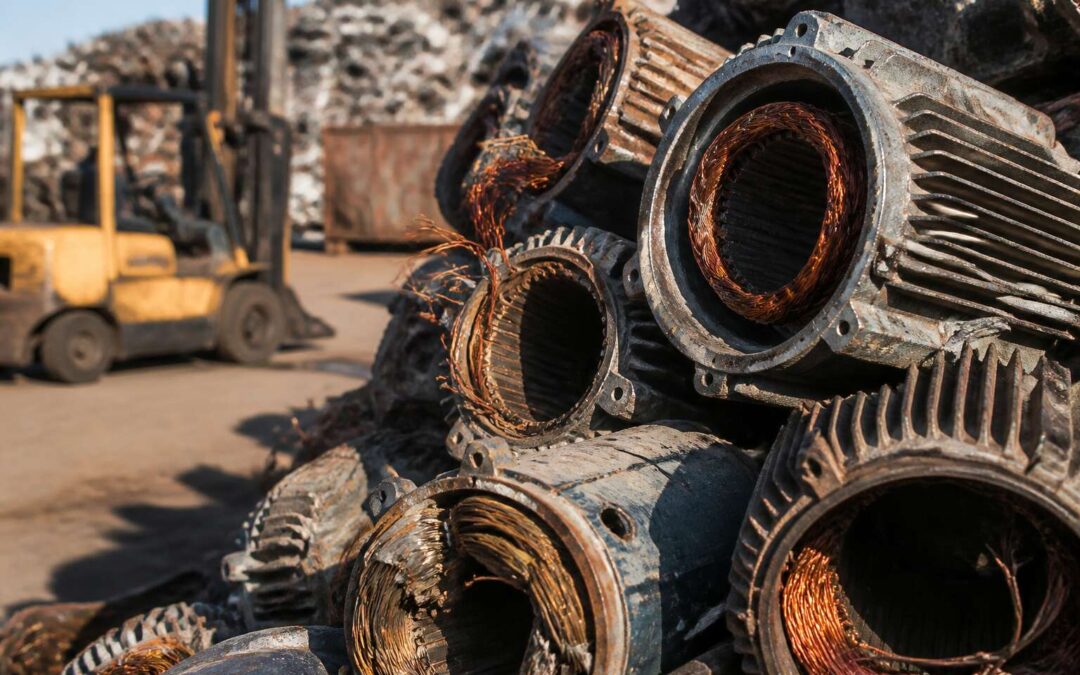
Ever stared at a dead electric motor and wondered if it’s worth more than a doorstop? The answer involves copper, steel, and some serious market whims. Scrap electric motors hold value because they contain recoverable non-ferrous metals, especially copper windings. That’s why even a blown motor from a pool pump gets cash. Pricing fundamentals hinge on weight, purity of the copper, and current commodity prices. In South Africa, processors often buy by the kilogram. A typical motor yields about 10% copper by weight, but that varies with:
– Motor size and type (induction, universal, or servo)
– Whether the windings are copper or aluminium
– The amount of steel housing and shaft mass
– Contamination from oil, grease, or plastic casings
The rest is steel and aluminium, which also fetch scrap rates. So when asking how much are scrap electric motors, remember you’re selling a metal cocktail, not a machine. That’s the core of its scrap value.
Current Market Rates for Scrap Motors
Scrap motor prices are set by the London Metal Exchange, not by the condition of the motor. The rand’s daily swing against the dollar determines the final quote. Scrap electric motor pricing fundamentals start with the current commodity spot price. A yard in Durban and one in Cape Town both check the same copper futures. These numbers shift every hour!
Several factors move current market rates for scrap motors.
- Copper purity after stripping
- Local supply from industrial waste
- International steel prices
When you ask how much are scrap electric motors, expect a variable answer. The weight is fixed, but the price tag is not. A 20 kilogram motor could earn R150 on a strong copper day, and R120 the next. That’s why regular sellers watch the metal markets before hauling their loads.
Price Per Pound vs Price Per Motor
A 20 kilogram motor looks like a simple object until you try to price it. The question “how much are scrap electric motors” rarely has a single answer because scrappies trade two ways: by per pound weight or per complete unit. Scrap electric motor pricing fundamentals demand you choose your yard accordingly.
Selling by the pound forces the buyer to account for every gram of steel and copper. Selling by the motor gives you speed but leaves money on the table. A stripped motor with exposed windings fetches a better rate per kilogram than one still sealed in its casing.
Here is what separates the two methods:
1. Weight includes housing and shaft material
2. Copper purity rises after manual stripping
3. Motor size dictates which quote makes sense
I always advise checking the scale first. If the yard quotes per motor, they are betting on your ignorance. If they quote per pound, they are betting on your patience. Neither number stays fixed, but the difference between them reveals the real margin.
Where to Check Live Scrap Prices
A single rand difference per kilogram can shift your payout by over a hundred rand on a large motor. That is why knowing how much are scrap electric motors depends on live market signals, not yesterday’s rates. Pricing fundamentals start with the motor’s physical state. Sealed casings hide copper, so yards price lower. Stripped windings reveal true value, but they also demand your time.
To track current numbers, check multiple sources. Metal exchange websites update daily. Local scrap yards publish boards or WhatsApp groups. Some apps aggregate South African scrap prices by region. For reliability, compare at least three sources before loading your bakkie.
– Use scrap metal price indexes for base copper
– Cross reference with yard quotes
– Check the date on any posted price
Each source shifts the answer to how much are scrap electric motors, so verify daily.
Key Factors That Determine Scrap Motor Value
Weight and Size Considerations
Ask any scrappy veteran how much are scrap electric motors worth and they will first ask you for a scale reading. Size and weight dominate the valuation process. A chunky industrial motor from a mine conveyor belt carries more copper than the dinky unit in your ceiling fan, but also more steel to haul around. That steel is ballast, not treasure.
Consider the copper windings inside. A motor’s value hinges on how much of that red metal sits within its housing. Some motors use aluminium windings, which scrap less like treasure and more like sad tinfoil.
Typical weight classes matter:
- Small household motors: 2 to 10 kg
- Appliance and power tool motors: up to 15 kg
- Industrial three phase motors: 20 kg and beyond
Heavier units demand stripping effort. Your back pays for every kilogram.
Copper Content and Magnet Wire Value
Ask how much are scrap electric motors and the true answer emerges once you peel back the steel casing. Copper content is the primary determinant of worth. Inside sits magnet wire, enamel coated copper wound into the stator. That wire is what scrappers prize, though some motors use aluminium windings and those sell for a pittance.
Magnet wire value depends on its purity and the stripping effort required. A clean, intact coil beats a mangled one every time. Different motors yield different copper amounts:
- Commutator bars in small DC motors
- Copper windings around the stator
- Terminal leads and internal wiring
Scrap dealers weigh this metal separately from the housing. So when you wonder how much are scrap electric motors in South Africa, remember that copper content, not physical heft, drives the final payout.
Aluminum vs Copper Windings
The quiet drama in any scrap yard revolves around what the motor hides inside its casing. Aluminum windings mimic copper visually to the untrained eye, but the payout gap is enormous! Copper wound motors command premium prices, while aluminum units often sell for their steel shell weight alone.
Key factors that shift the final number:
– Motor type and application, from industrial three phase units to small appliance motors
– The physical condition of the windings, whether they remain intact or have been stripped
– The alloy composition of the housing, which affects weight deductions
Ask how much are scrap electric motors in South Africa and the honest response depends on this metal identity. A quick scratch test or magnet check reveals the truth. The difference between copper and aluminum is not cosmetic. It is the difference between a respectable payout and a disappointing handshake.
Condition and Contamination Levels
Condition tells the real story when you ask how much are scrap electric motors in South Africa. A motor with intact windings, clean casing, and no signs of overheating commands a better rate than one dragged through mud, soaked in oil, or stripped down to bare steel. Contamination adds dead weight. Dirt, grease, and moisture all factor into the final deduction buyers make.
What lowers the payout per kilogram:
- Motors with burnt or shorted windings
- Signs of prior tampering or partial dismantling
- Excessive rust that eats into the housing
- Embedded debris from industrial use
Water damage is especially harsh. It corrodes the copper connections and reduces the magnetic core integrity. Buyers will quote how much are scrap electric motors only after inspecting these details. A clean, complete motor always outperforms a contaminated shell. The difference is measurable, and it shows up in your hand.
Motor Type and Design Differences
Motor type shapes the payout more than most sellers expect. A three phase industrial motor carries dense copper windings and a cast iron frame, while a small universal motor from a household appliance holds far less recoverable metal. The design differences are not trivial when you ask how much are scrap electric motors in South Africa.
Consider the rotor construction. Squirrel cage rotors are simple and valuable for their aluminium bars. Wound rotors contain additional copper coils. Permanent magnet motors, often found in modern equipment, offer rare earth magnets that some buyers price separately.
Common design categories:
– Three phase induction motors
– Single phase capacitor start motors
– DC brushed and brushless motors
– Hermetic compressor motors
Each design changes the disassembly effort and the material yield. That is why two motors of equal weight can produce completely different quotes.
Local Scrap Yard Pricing Variations
The answer to how much are scrap electric motors depends on the yard and the day. The price you get today has little to do with the motor itself and everything to do with the yard’s balance sheet.
Local scrap yard pricing variations come from overheads like transport, rent, and the margin needed to guarantee a profit. A yard near the coast may pay a premium because shipping to export buyers costs less. An inland yard must deduct freight.
These are the common drivers of daily price shifts:
- Spot prices for copper and aluminium on the London Metal Exchange.
- The yard’s current inventory levels and their storage space.
- Whether a yard has a fixed contract with a smelter or a broker.
I have watched quotes move 15% between two yards on the same street. So when you ask how much are scrap electric motors, expect different numbers from each yard! That variance is the real answer.
How Scrap Yards Assess and Quote Electric Motors
The Sorting and Grading Process
A scrap yard operator can type your motor into a phone before you finish pulling it from the boot. That is not a guess. The serial number, casing style, and winding access tell an experienced grader everything they need to know. They are not assessing value yet. They are sorting, answering a simple question: which bin does this belong to?
- Operators use a two second tap test to confirm whether windings are loose or intact
- Motors with external wiring looms are logged for faster stripping quotes
- The grader stamps a coloured tag that directs the motor to a specific payment line
The grading process is a workflow, not an appraisal. Each bin carries a reference rate that shifts through the week. When the yard finally quotes you, they read that bin rate against the measured weight of your motor. The honest answer to how much are scrap electric motors in South Africa is always tied to that sorting step. The grader who places your motor is the one who sets the price.
Understanding the Price Per Pound Formula
Every quotation starts with a number most sellers never see. The yard applies a per kilogram rate to the motor’s actual mass, then deducts for non-metallic residue that would contaminate the shredder. That is the price per pound formula in its raw form. Nothing mystical, just arithmetic applied to a moving target.
So how much are scrap electric motors worth at the counter? The rate comes from the bin the grader selected earlier. A motor with intact copper windings sits in a higher bracket than one with stripped casings or mixed metals. The scale reading gets multiplied against that bracket rate, and the figure you receive is the product of those two variables. Simple in theory, but the bracket rate shifts daily with international copper markets and local demand. That is why the same motor can quote differently on Monday and Thursday.
Negotiating Better Scrap Rates
The scale settles, the grader looks up, and the negotiation is already over for most sellers. That is a mistake. The quote reflects visible signals: casing integrity, winding exposure, contamination buildup. Those signals are negotiable.
The seller who asks what bracket the motor landed in gets a different result than one who stays silent. A yard that quotes how much are scrap electric motors without opening the casing is guessing at your cost. Pointing out intact windings and stripped casings shifts the rate.
Three signals drive the assessment most often:
- Casing condition, which signals potential contamination
- Winding access, which confirms copper content
- Visible residue, which affects shredder tolerance
The quote is an opening position, not a verdict. Sellers who correct assumptions before the ticket prints get closer to the true value of their motor.
Average Scrap Value by Motor Category
Small Household Appliance Motors
Small household appliance motors, pulled from blenders, desk fans and microwave ovens, produce modest scrap returns. A typical unit weighs less than a kilogram, and South African yards will offer between R15 and R40 for one. That figure seems tiny, but a stack of these motors from a single kitchen clearout becomes a respectable sum.
I often find that this motor category hides the widest variation in payout. Some timer motors are practically worthless, while a copper wound fan motor from an older model draws a better price.
Here is a snapshot of typical values at a Johannesburg scrapyard:
- Copper wound desk fan motors, R35 to R50
- Blender and juicer motors, R15 to R25
- Microwave turntable motors, under R10
When someone asks me how much are scrap electric motors from an old blender, I tell them to weigh the whole batch rather than obsess over single units.
HVAC and Air Conditioner Motors
HVAC motors occupy a different tier from the small appliance units I covered earlier. A typical air conditioner condenser fan motor weighs between 3 and 7 kilograms, and the scrap value reflects that mass. At Johannesburg yards, these motors routinely fetch R80 to R180, sometimes more!
The sealed compressor motors inside air conditioners contain substantial copper windings and need careful stripping. The aluminium rotor inside adds another R20 to R30 per motor at current rates.
Here is a snapshot of typical payouts:
- Condenser fan motors, R80 to R140
- Blower motors from split units, R100 to R180
- Compressor motors, R150 to R250
- Window unit fan motors, R50 to R90
When someone asks me how much are scrap electric motors from HVAC systems, I point them to the whole unit. The contactor, wiring harness and copper interconnecting lines all carry value. To understand how much are scrap electric motors across all categories, the HVAC range offers the most consistent payout per kilogram.
Industrial and Commercial Motors
Industrial motors are the heavyweights of the scrap trade. Three-phase units from conveyor systems and pumps can weigh 50 kilograms or more. Johannesburg yards pay R1,500 to R4,000 depending on frame size and copper content. A 50 horsepower motor holds more magnet wire than a dozen household units combined!
Commercial refrigeration motors and escalator drive motors sit in a middle tier. Cast iron housings add weight, but true value lies in the copper windings. Typical payouts:
- Small commercial motors (1 to 5 hp), R300 to R700
- Industrial three-phase motors (10 to 30 hp), R800 to R2,000
- Large industrial motors (50 hp and above), R2,500 to R5,000
So how much are scrap electric motors in this category? It hinges on stator winding quality and whether the aluminium rotor is intact. Yards price these per kilogram, and the payout per motor grows dramatically with size.
Electric Vehicle and Hybrid Motors
Electric vehicle and hybrid motors form a specific category in the scrap trade. Unlike household appliance motors, these units use high strength permanent magnets made from neodymium and dysprosium. That changes how much are scrap electric motors in this category, because yards must separate the magnet assembly from the stator before weighing.
In South Africa, scrapping an EV drive motor usually means dealing with a sealed aluminium housing. I have watched payouts swing sharply based on magnet grade and the thickness of the copper hairpin windings. A typical hybrid motor from a Prius can fetch R400 to R900. A full EV motor often lands between R1,200 and R3,500. Without a buyer for magnet scrap, the quote drops significantly.
Starter Motors and Alternators
Starter motors and alternators each tell a different story on the scrap scale. When you ask how much are scrap electric motors in this class, the answer shifts with the internal copper and the quality of the casing. A starter from a bakkie often brings R45 to R120, while a heavy-duty alternator can reach R160 if the windings are intact.
The payout depends on three things:
– The copper windings being exposed or still sealed
– The type of metal in the casing, aluminium versus cast iron
– Whether the solenoid or regulator has been removed
Alternators from newer vehicles use thinner enameled wire, which reduces the copper yield. Starters carry a heavier gauge but less total copper. For a mixed batch, expect R300 to R500 per unit when stripped and sorted, which is why many scrap buyers ask for them separately.
Strategies to Get the Highest Scrap Payout
Separating Copper Before Selling
Separating copper from a motor’s stator before selling is a strategy that directly changes your final payout. Copper windings fetch a higher price when stripped from the steel core, so yards pay a premium for clean material. This effort alters how much are scrap electric motors for your specific load.
Inspect each motor for accessible windings. Some end bells come off easily; others require cutting. Mixed material sells at a lower grade, so the separation matters.
Watch for these factors:
- Weight of copper versus the whole motor
- Insulation or varnish on the wire
- Condition of the copper, bright or tarnished
Each factor shifts the yard’s assessment. Clean, bare copper brings a better rate than coated wire, making separation a direct way to increase your payout.
Cleaning and Preparing Motors for Scrap
Grime is heavier than it looks. A motor caked in grease carries extra mass that does nothing for your payout. Cleaning the housing before hauling removes dead weight and lets true metal value speak. How much are scrap electric motors worth once clean? The scale tells a different story when oil and sludge are stripped away.
Preparation starts with simple tools. A wire brush and a rag shift the yard’s assessment. Drain residual oil from gearboxes. Remove plastic fans, rubber gaskets, and paper labels. These parts can push a motor into a lower category.
- Drain fluids and wipe down exterior surfaces
- Remove attached hoses, brackets, and mounting feet
- Cut away any cords or leads that are not copper
Yards in South Africa assess motors by readiness. I have watched identical motors earn different rates based on preparation. A clean, prepped motor signals that you understand the process. That signal translates into a better rate per kilogram.
Choosing the Right Scrap Yard
A scrap yard’s quote is not a universal truth. The question of how much are scrap electric motors depends on that yard’s grading logic. I have crossed Pretoria with a boot full of motors, and the spread between quotes was shocking.
Find a yard that sorts by copper content, not just shell weight. Ask if they penalize unseparated motors. Some buyers will lowball you because you lack a relationship.
- Request a motor-specific breakdown.
- Confirm they pay for prep without a surcharge.
- Compare at least three yards before selling.
The yard that rewards preparation pays more for cleaned units. Let their scales compete for your business.
Timing Your Sale With Market Cycles
London Metal Exchange copper futures swing daily. A motor stored in your garage is a small position, and when those futures dip, your payout dips with them. Timing the sale around the cycle can lift the same stripped unit from R50 to R120. The true answer to how much are scrap electric motors is often a function of when you ask.
I have watched this in my own sales. Quotes climb through midyear as construction demand peaks, then soften in January. Rand weakness moves every price board in Pretoria. Global supply snags matter too, sometimes shifting quotes weekly! Scrap yards adjust their rates to match these forces. If you own floor space, you own the ability to wait.
Smart sellers stack motors. They accumulate starters, compressors, and industrial units until copper shows strength. They do not ask how much are scrap electric motors once. They ask every week. The market rewards those who sell into a rally, not those who dump during a dip.