
Types of Electric Motors for Gate Systems
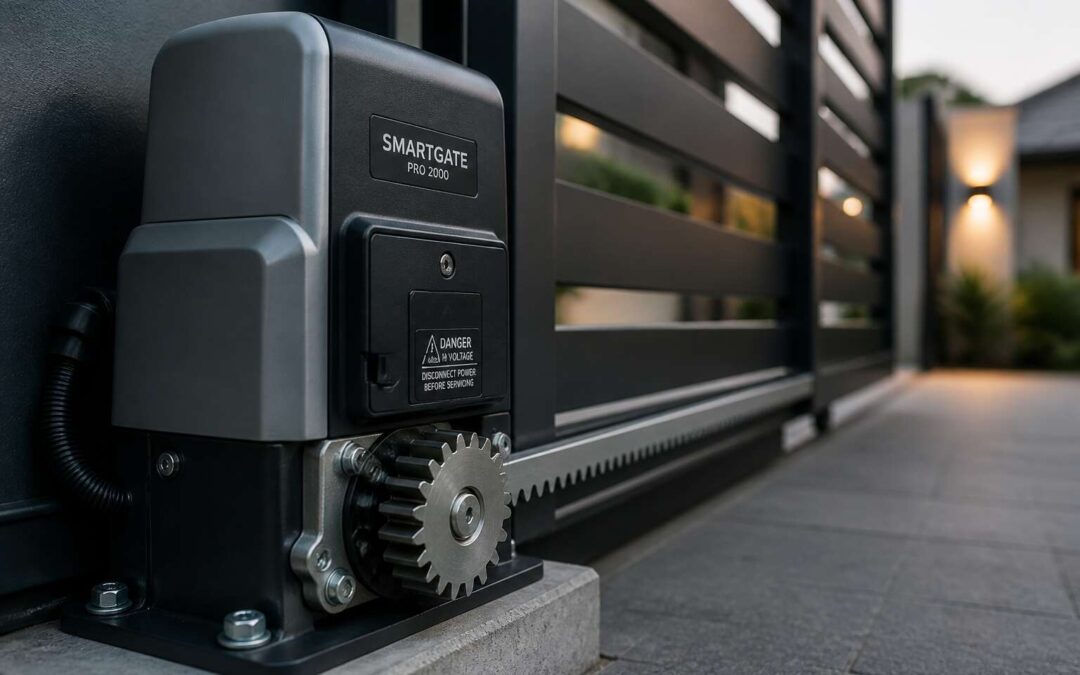
In South Africa, choosing the right electric motors for gates is a matter of tension between force and nuance. Sliding gates demand raw torque, while swing gates reward a gentle, controlled application of energy. Neither is inherently superior, it simply depends on your environment.
The market offers three dominant configurations:
- Rack and pinion drives, which handle heavy steel gates with ease.
- Hydraulic arms, ideal for frequent use and constant momentum.
- Underground electromechanical units, prized for their discreet footprint.
These electric motors for gates typically run on 24V direct current or standard 220V alternating current. The low-voltage option provides quiet operation and a safe fallback during load shedding. The mains-powered variant delivers sustained power for industrial settings. Your choice is ultimately a negotiation between your property’s geography and your daily routine.
Key Factors to Consider Before Purchase
When it comes to electric motors for gates, the South African homeowner faces a peculiar social dilemma. Your entrance should glide open with quiet sophistication, not demand the neighbourhood’s attention.
Consider the practical factors before you commit. Gate weight matters, as does the frequency of use. A motor built for a light suburban driveway will struggle with a heavy wrought iron beast.
Here is a list to ponder:
- Motor type and torque rating
- Safety features and obstacle detection
- Backup battery for loadshedding
- Weather resistance for our harsh sun and rain
Choose wisely! A poorly matched motor is a source of daily irritation.
Installation and Maintenance Best Practices
That dreaded moment when the gate grinds to a halt as the first thunderclouds gather. I have stood beside too many failed motors in the middle of a Highveld storm, and a solid installation saves heartache. Start with a dedicated surge protector and proper earthing, because lightning here is merciless. Choose electric motors for gates that match the weight and slide resistance of your gate without compromise.
Routine care is straightforward, but it demands consistency. Dust and termites cause the worst damage out here. I tell every client to listen for the strain in the motor. It speaks before it breaks.
In my years of callouts, these are the first things I inspect on electric motors for gates:
1. The worm gear and chain for caked-on grit that needs a strong clean and fresh lithium grease.
2. The freewheel release lever, to confirm you are not trapped during load shedding.
3. The limit switches, where moisture creeps in and rusts the contacts.
That habit has saved more than one farmer from a long, wet walk to the farmhouse.
Smart Integration and Automation
There is a quiet intelligence in the way a gate now responds to its environment. Smart integration allows these machines to detect movement, weather, and time. For electric motors for gates, automation is a security feature you can set and forget. It operates on its own, governed by rules you define.
Consider a Johannesburg evening. Your gate opens because it identified your vehicle from a distance. No remote, no button, no hesitation. This is the new arrival. The motor’s logic decides when to act, and when to remain still.
- Geofencing activates the motor as you approach the property.
- Biometric scanners restrict entry to approved family members.
- Real time diagnostics send alerts to your phone before a component fails.
These functions turn steel and wiring into a dependable entity. The system learns your daily rhythm, adjusts to your habits, and never rests. It is automation with purpose. Your electric motors for gates become the barrier between the outside world and your private refuge.